ما الذي تتوقعه في شهرك الأول من العمل في بولندا
دليلك العملي لأول 30 يومًا في بولندا — من الوصول إلى المطار وتسجيل رقم PESEL إلى فتح حساب مصرفي، والعثور على الطعام المألوف، والتأقلم مع الطقس.
February 20, 2026
ما الذي تتوقعه في شهرك الأول من العمل في بولندا
الانتقال إلى بلد جديد هو أحد أكبر القرارات التي ستتخذها في حياتك على الإطلاق. سرعان ما تعقب حماسة الحصول على وظيفة في بولندا موجة من الأسئلة العملية: إلى أين أذهب بعد وصولي؟ كيف أحصل على رقم هاتف؟ أين يمكنني العثور على طعام من بلدي؟ هل سأتحمل الشتاء؟
يرشدك هذا الدليل خلال كل ما تحتاج إلى معرفته عن أول 30 يومًا لك في بولندا، استنادًا إلى التجارب الحقيقية لأكثر من 3,720 عاملًا خاضوا هذه الرحلة مع World Wide Services.
الأيام 1-3: الوصول والاستقرار
الوصول إلى المطار
يصل معظم العمال الدوليين إلى مطار وارسو شوبان (WAW)، رغم أن بعضهم يصل جوًا إلى كاتوفيتسه أو كراكوف أو غدانسك حسب موقع صاحب العمل. إليك ما يمكن توقعه:
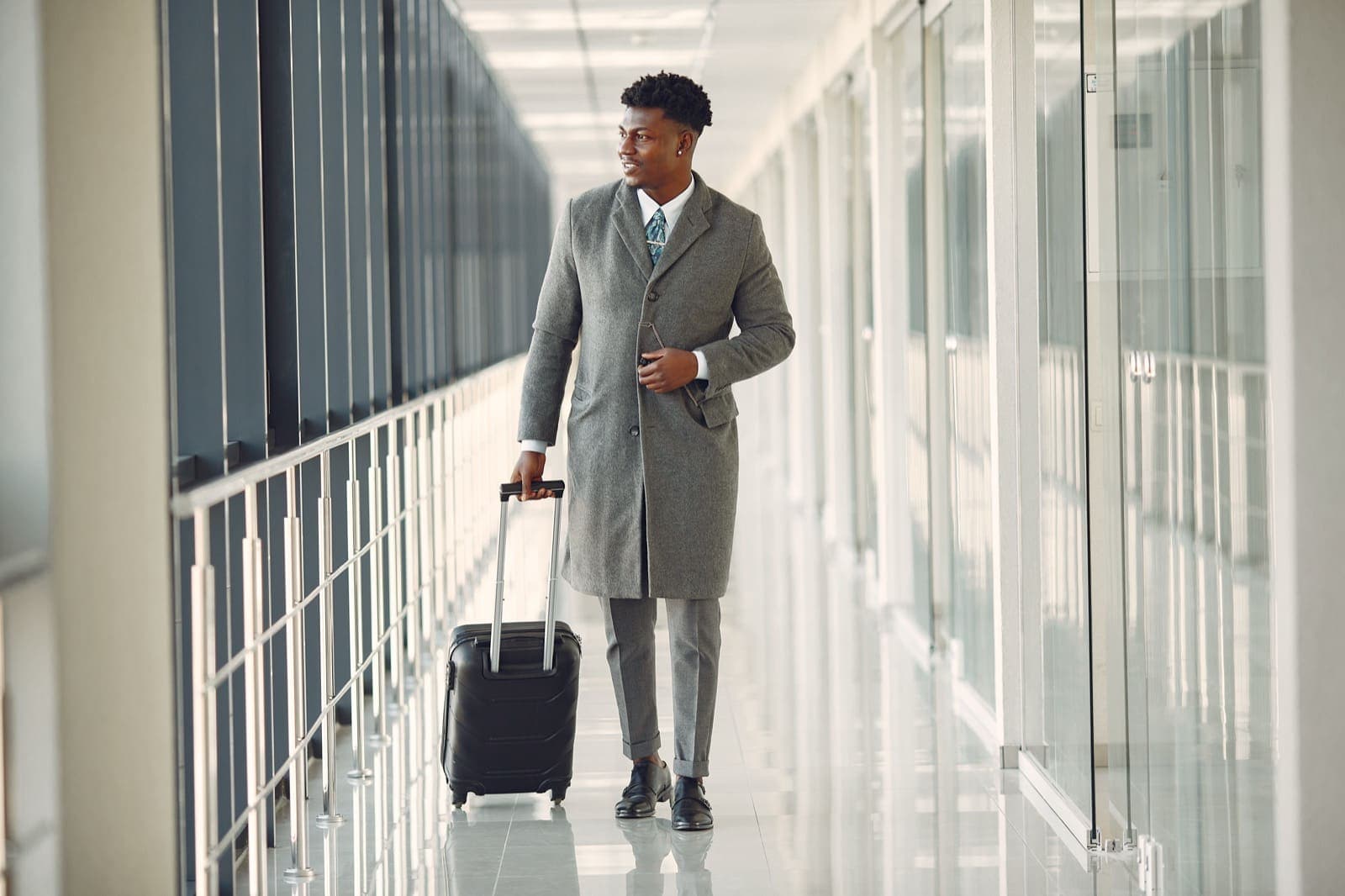
- استقبال صاحب العمل: إذا تم توظيفك من خلال WWS، فسيستقبلك صاحب العمل أو ممثل عن الشركة في المطار. تأكد من تفاصيل الاستقبال قبل السفر — الاسم ورقم الهاتف ونقطة اللقاء.
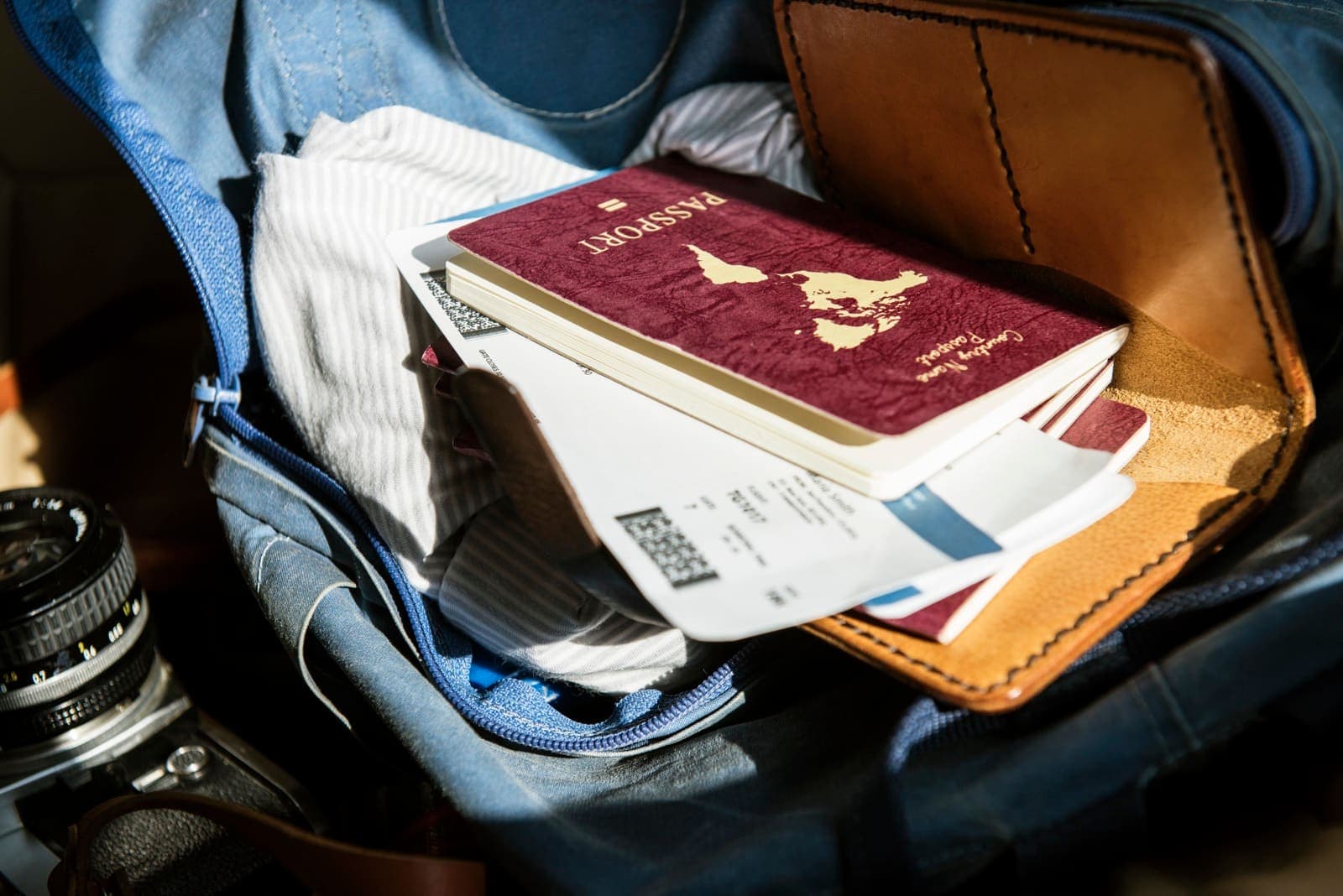
- فحص الهجرة: احتفظ بتأشيرة العمل وجواز السفر وعقد العمل وعنوان السكن مطبوعة وجاهزة. قد يطلب ضباط الحدود الاطلاع على هذه المستندات.
- العملة: تستخدم بولندا الزلوتي البولندي (PLN). اسحب النقود من جهاز صراف آلي في المطار (تجنّب مكاتب الصرافة — فأسعارها سيئة للغاية). ستحتاج إلى 50-100 PLN للنفقات الفورية.
تسجيل الوصول في السكن
يوفر معظم أصحاب العمل سكنًا مشتركًا للفترة الأولى من العمل. عند وصولك إلى سكنك:
- افحص الغرفة ودوّن أي أضرار موجودة
- تأكد من قيمة الإيجار وجدول السداد مع صاحب العمل
- احصل على كلمة مرور شبكة Wi-Fi — ستحتاج إلى الوصول إلى الإنترنت فورًا
- حدّد موقع أقرب متجر بقالة وصيدلية ومحطة نقل عام
الأسبوع 1: التسجيل والأوراق الأساسية
رقم PESEL — أهم تسجيل لك
رقم PESEL (Powszechny Elektroniczny System Ewidencji Ludności) هو رقم تعريف مكوّن من 11 خانة تحتاجه لكل شيء تقريبًا في بولندا. من دونه، لا يمكنك فتح حساب مصرفي أو توقيع عقد هاتف أو الوصول إلى الرعاية الصحية.
كيفية الحصول على رقم PESEL الخاص بك:
- توجّه إلى مكتب البلدية المحلي (Urząd Gminy) أو دار البلدية (Urząd Miasta)
- املأ استمارة التسجيل (يمكن لصاحب العمل مساعدتك في ذلك)
- أحضر جواز سفرك وتأشيرتك وإثبات السكن (عقد الإيجار أو رسالة من صاحب العمل)
- يُصدر رقم PESEL عادةً في الحال أو خلال بضعة أيام
- ستتلقى مستند تأكيد — احتفظ به في مكان آمن
توقيع عقد العمل
يُلزم القانون البولندي صاحب العمل بتقديم عقد مكتوب قبل أن تبدأ العمل. تأكد من أنك:
- تتلقى نسخة بلغة تفهمها (يوفر معظم أصحاب العمل ترجمات إنجليزية)
- تتحقق من أن الراتب يطابق ما تم الاتفاق عليه
- تفهم ساعات العمل وقواعد العمل الإضافي وأوقات الاستراحة
- تعرف فترة الاختبار الخاصة بك (عادةً من شهر إلى 3 أشهر)
- تسأل عن التأمين الصحي — يجب على صاحب العمل تسجيلك لدى ZUS (مؤسسة التأمين الاجتماعي)
التعريف بمكان العمل
ستتضمن أيامك الأولى في العمل تدريبًا على السلامة (BHP — Bezpieczeństwo i Higiena Pracy)، وهو إلزامي بموجب القانون البولندي. ستتلقى أيضًا زيّ العمل إن كان ذلك مطبقًا، وتخصيص خزانة، والتعريف بمشرفك وفريقك.
فتح حساب مصرفي
تحتاج إلى حساب مصرفي بولندي لتلقّي راتبك. يدفع معظم أصحاب العمل عن طريق التحويل المصرفي، وليس نقدًا.
البنوك التي تقبل العمال الأجانب
| البنك | المتطلبات | تسليم البطاقة | تطبيق الهاتف | ملاحظات |
|---|---|---|---|---|
| PKO BP | جواز سفر + PESEL | في اليوم نفسه | نعم (IKO) | أكبر بنك في بولندا، أكثر أجهزة الصراف الآلي |
| mBank | جواز سفر + PESEL | 5-7 أيام | نعم | تطبيق جيد باللغة الإنجليزية |
| Santander | جواز سفر + PESEL | 3-5 أيام | نعم | موظفون يتحدثون الإنجليزية في المدن الكبرى |
| Pekao SA | جواز سفر + PESEL | في اليوم نفسه | نعم (PeoPay) | ثاني أكبر بنك |
المستندات المطلوبة:
- جواز سفر ساري المفعول
- تأكيد رقم PESEL
- إثبات العنوان (عقد الإيجار أو رسالة من صاحب العمل)
- عقد العمل
نصيحة: بنكا PKO BP و mBank هما الأكثر ملاءمة للأجانب. بعض الفروع لديها موظفون يتحدثون الإنجليزية — اتصل مسبقًا للتأكد.
الحصول على شريحة SIM بولندية
رقم الهاتف المحلي ضروري للتواصل مع صاحب العمل والزملاء، وللتحقق بخطوتين على تطبيق البنك الخاص بك.
الباقات مسبقة الدفع (لا تتطلب عقدًا)
| المزوّد | التكلفة الشهرية | البيانات | مكان الشراء |
|---|---|---|---|
| Play | 25-30 PLN | 10-15 غيغابايت | متاجر Play، متاجر Żabka |
| Orange | 30-35 PLN | 15-20 غيغابايت | متاجر Orange، متاجر الإلكترونيات |
| T-Mobile | 30-35 PLN | 15-20 غيغابايت | متاجر T-Mobile، متاجر الإلكترونيات |
| Plus | 25-30 PLN | 10-15 غيغابايت | متاجر Plus، متاجر Żabka |
ما تحتاجه لشراء شريحة SIM:
- جواز السفر (مطلوب بموجب القانون لتسجيل الشريحة)
- 5-10 PLN لشريحة SIM نفسها
- نقد أو بطاقة لأول عملية شحن للرصيد
نصيحة: تنتشر متاجر Żabka في كل زاوية شارع تقريبًا وتبيع شرائح SIM مسبقة الدفع من معظم المزوّدين. توفّر Play أفضل الباقات الاقتصادية.
الطعام والتسوّق: العثور على النكهات المألوفة
متاجر البقالة الاقتصادية
لتسوّقك اليومي، هذه هي السلاسل الأكثر تيسّرًا في السعر:
- Biedronka — أرخص سوبر ماركت في بولندا، موجود في كل مكان. رائع للأساسيات واللحوم والخبز والخضروات.
- Lidl — تنوّع أكبر قليلًا من Biedronka، قسم مخبوزات جيد، عروض أسبوعية على الأطعمة العالمية.
- Netto — مشابه لـ Biedronka، وأرخص أحيانًا في أصناف معينة.
- Auchan / Carrefour — متاجر كبرى أوسع تحتوي على أقسام أطعمة عالمية أوسع.
متاجر الأطعمة الأفريقية والآسيوية
تضم المدن البولندية الكبرى متاجر متخصصة يمكنك العثور فيها على منتجات من بلدك:
- وارسو: Lagos Supermarket (حي براغا)، African Food Store (فولا)، عدة أسواق آسيوية في وسط المدينة
- فروتسواف: متاجر أفريقية بالقرب من المحطة الرئيسية، سوبر ماركت آسيوية في شارع Ruska
- كراكوف: متاجر أطعمة عالمية في حي كازيميرج
- غدانسك / شتشيتسين: عدد متنامٍ من المتاجر الأفريقية والآسيوية — اسأل المجتمع المحلي عن المواقع الحالية
اللحوم الحلال متوفرة في معظم المدن عبر الجزارين الحلال، ومحلات الكباب التركية (التي غالبًا ما تبيع اللحم النيّئ)، وبعض أقسام المتاجر الكبرى.
ميزانية الطعام الأسبوعية
توقّع أن تنفق 200-400 PLN شهريًا على البقالة إذا كنت تطبخ في المنزل. تناول الطعام في مطعم اقتصادي (bar mleczny — مطعم الحليب) يكلّف 15-25 PLN للوجبة.
التأقلم مع الطقس البولندي
تشهد بولندا أربعة فصول متمايزة، وشتاؤها قارس.
ما يمكن توقعه
- نوفمبر - مارس: تتراوح درجات حرارة الشتاء من 0°م إلى -15°م (وأحيانًا أبرد). الثلوج شائعة.
- أبريل - مايو: يأتي الربيع ببطء. درجات الحرارة 5-15°م. الأمطار متكررة.
- يونيو - أغسطس: الصيف دافئ، 20-30°م. ساعات نهار طويلة.
- سبتمبر - أكتوبر: يجلب الخريف الأمطار وانخفاض درجات الحرارة، 5-15°م.
الملابس الشتوية الأساسية
إذا كنت ستصل بين أكتوبر ومارس، فيجب أن تمتلك:
- معطف شتوي: معزول ومقاوم للرياح والماء. الميزانية: 150-300 PLN.
- طبقات داخلية حرارية: قمصان حرارية بأكمام طويلة وسراويل ضيقة. الميزانية: 40-80 PLN.
- أحذية شتوية: مقاومة للماء وببطانة دافئة. الميزانية: 100-200 PLN.
- قبعة وقفازات ووشاح: غير قابلة للتفاوض. الميزانية: 30-60 PLN.
أين تشتري ملابس شتوية بأسعار معقولة:
- Pepco — أساسيات وإكسسوارات شتوية رخيصة جدًا
- Sinsay / House — سلاسل أزياء اقتصادية بمجموعات شتوية
- Decathlon — أفضل قيمة للطبقات الحرارية والمعدات المقاومة للماء
- متاجر المستعمل (Lumpeksy) — معاطف شتوية بجودة عالية بسعر 30-80 PLN
- Allegro.pl — أكبر سوق إلكتروني في بولندا (مثل eBay)
20 عبارة بولندية أساسية
البولندية لغة صعبة، لكن تعلّم بضع عبارات يقطع شوطًا طويلًا مع الزملاء وفي الحياة اليومية.
| البولندية | النطق | العربية |
|---|---|---|
| Dzień dobry | يِن دوه-بري | صباح الخير / مرحبًا (رسمي) |
| Cześć | تشيشتش | أهلًا / مع السلامة (غير رسمي) |
| Dziękuję | يِن-كوو-يه | شكرًا لك |
| Proszę | برو-شه | من فضلك / على الرحب والسعة |
| Tak / Nie | تاك / نيه | نعم / لا |
| Przepraszam | بشيه-برا-شام | عذرًا / آسف |
| Nie rozumiem | نيه روه-زوو-ميم | لا أفهم |
| Czy mówi Pan/Pani po angielsku? | تشي موو-في بان/با-ني بو ان-غيِل-سكو | هل تتحدث الإنجليزية؟ |
| Ile to kosztuje? | إي-له توه كوش-توو-يه | كم يكلّف هذا؟ |
| Gdzie jest...? | غجيه يست | أين يوجد...؟ |
| Toaleta | توه-اه-له-تا | دورة المياه |
| Szpital | شبي-تال | مستشفى |
| Pomoc! | بوه-موهتس | النجدة! |
| Rachunek proszę | را-هوو-نك برو-شه | الفاتورة من فضلك |
| Jedno piwo proszę | يد-نوه بي-فوه برو-شه | جعة واحدة من فضلك |
| Smacznego | سماتش-نه-غوه | بالهناء والشفاء |
| Na zdrowie | نا زدرو-فيه | في صحتك / يرحمك الله |
| Dobranoc | دوه-برا-نوهتس | تصبح على خير |
| Do widzenia | دوه في-دزن-يا | مع السلامة (رسمي) |
| Potrzebuję pomocy | بوه-تشيه-بو-يه بوه-موه-تسي | أحتاج إلى مساعدة |
إرسال الأموال إلى الوطن
يرسل معظم العمال في بولندا الأموال بانتظام إلى عائلاتهم في الوطن. إليك مقارنة بين الخيارات الرئيسية:
| الخدمة | رسوم التحويل | هامش سعر الصرف | السرعة | كيفية الإرسال |
|---|---|---|---|---|
| Wise (TransferWise) | 5-15 PLN | 0.4-0.7% | 1-2 يوم عمل | التطبيق أو الموقع |
| Western Union | 15-40 PLN | 1-3% | دقائق (استلام نقدي) | مواقع الوكلاء، التطبيق |
| Ria Money Transfer | 10-30 PLN | 1-2% | من دقائق إلى يوم | مواقع الوكلاء، التطبيق |
| Remitly | 0-15 PLN | 0.5-1.5% | من دقائق إلى 3 أيام | التطبيق |
| WorldRemit | 5-15 PLN | 0.5-1.5% | من دقائق إلى يومين | التطبيق |
التوصية: توفّر Wise أفضل أسعار الصرف وأدنى الرسوم للتحويلات من حساب مصرفي إلى آخر. استخدم Western Union أو Ria عندما تحتاج عائلتك إلى استلام نقدي فوري.
ثقافة مكان العمل البولندية
فهم توقعات مكان العمل سيساعدك على الاندماج بسرعة:
- الالتزام بالمواعيد أمر بالغ الأهمية: التأخر حتى 5 دقائق يُلاحَظ ويُستهجن. اضبط عدة منبّهات إن لزم الأمر.
- الاستراحات مجدولة: لدى معظم المصانع أوقات استراحة ثابتة — 15 دقيقة لكل 8 ساعات عمل، إضافة إلى استراحة الغداء.
- التواصل المباشر: يميل المديرون البولنديون إلى الصراحة. إذا كان هناك خطأ ما، فسيخبرونك مباشرة. هذا ليس وقاحة — بل هو العُرف الثقافي.
- العمل الإضافي: يجب الاتفاق عليه ويُدفع بنسبة 150-200% من معدلك العادي. لا تعمل ساعات إضافية أبدًا دون اتفاق مكتوب.
- الإجازة المرضية: إذا مرضت، فاتصل بصاحب عملك فورًا وراجع طبيبًا. تحتاج إلى شهادة إجازة مرضية رسمية L4.
أرقام الطوارئ
احفظ هذه الأرقام في هاتفك في اليوم الأول:
- 112 — الطوارئ العامة (الشرطة، الإطفاء، الإسعاف)
- 999 — الإسعاف
- 998 — الإطفاء
- 997 — الشرطة
- 116 123 — خط الدعم النفسي
- رقم الطوارئ الخاص بصاحب عملك — احصل عليه في يومك الأول
- منسّق WWS الخاص بك — متاح لمساعدتك في أي مشكلات خلال فترة استقرارك
الأسئلة الشائعة
كم يستغرق الحصول على رقم PESEL؟
عادةً في اليوم نفسه أو خلال 2-3 أيام عمل. توجّه إلى مكتب البلدية المحلي مع جواز سفرك وتأشيرتك وإثبات السكن.
هل يمكنني فتح حساب مصرفي دون التحدث بالبولندية؟
نعم. لدى بنكي PKO BP و mBank موظفون يتحدثون الإنجليزية في المدن الكبرى وتطبيقات هاتف باللغة الإنجليزية. اتصل مسبقًا للتأكد من التوفّر.
ماذا لو لم أعثر على طعام من بلدي؟
في المدن الأصغر، قد يكون العثور على الأطعمة العالمية أصعب. انضم إلى مجموعات المجتمع المحلية على فيسبوك — فالمجتمعات الأفريقية والآسيوية في بولندا نشطة ويمكنها إرشادك إلى المتاجر والمطاعم والطهاة المنزليين.
ما مدى برودة الطقس فعلًا في الشتاء؟
تصل درجات الحرارة بانتظام إلى -10°م حتى -15°م بين ديسمبر وفبراير. يمكن لعامل برودة الرياح أن يجعلها تبدو أبرد. الملابس الشتوية المناسبة ليست خيارًا — بل هي ضرورة صحية.
هل بولندا آمنة للعمال الأجانب؟
نعم. بولندا من أكثر الدول أمانًا في أوروبا. مثل أي مكان آخر، توخَّ الحذر المعتاد في المدن ليلًا. يفيد معظم العمال بأنهم يشعرون بالأمان والترحيب من الزملاء البولنديين.
كم من المال ينبغي أن أحضر للشهر الأول؟
أحضر ما لا يقل عن 1,500-2,000 PLN (حوالي 350-470 يورو) لتغطية النفقات قبل أول راتب لك. يغطي هذا الطعام والمواصلات وشريحة SIM والمستلزمات الأساسية.
ابدأ رحلتك بثقة
الشهر الأول في بلد جديد هو دائمًا الأصعب — لكن مع الاستعداد الصحيح، يتحوّل إلى مغامرة مثيرة بدلًا من محنة مرهقة. لقد ساعدت World Wide Services أكثر من 3,720 عاملًا على الاستقرار بنجاح في بولندا، ولا يدعمك فريقنا بالأوراق فحسب، بل طوال عملية انتقالك بأكملها.
هل أنت مستعد لاتخاذ الخطوة التالية؟ تفضّل بزيارة worldwideservice.eu لاستكشاف الوظائف المتاحة في بولندا، أو تواصل مع مكاتبنا في شتشيتسين أو أبوجا أو تيرانا للحصول على استشارة مجانية.
About the Author
Karim Bukarim
Co-Founder, Head of Product Development
Karim is a co-founder of World Wide Services with deep expertise in international employment and immigration processes. He leads product development to simplify global workforce mobility.