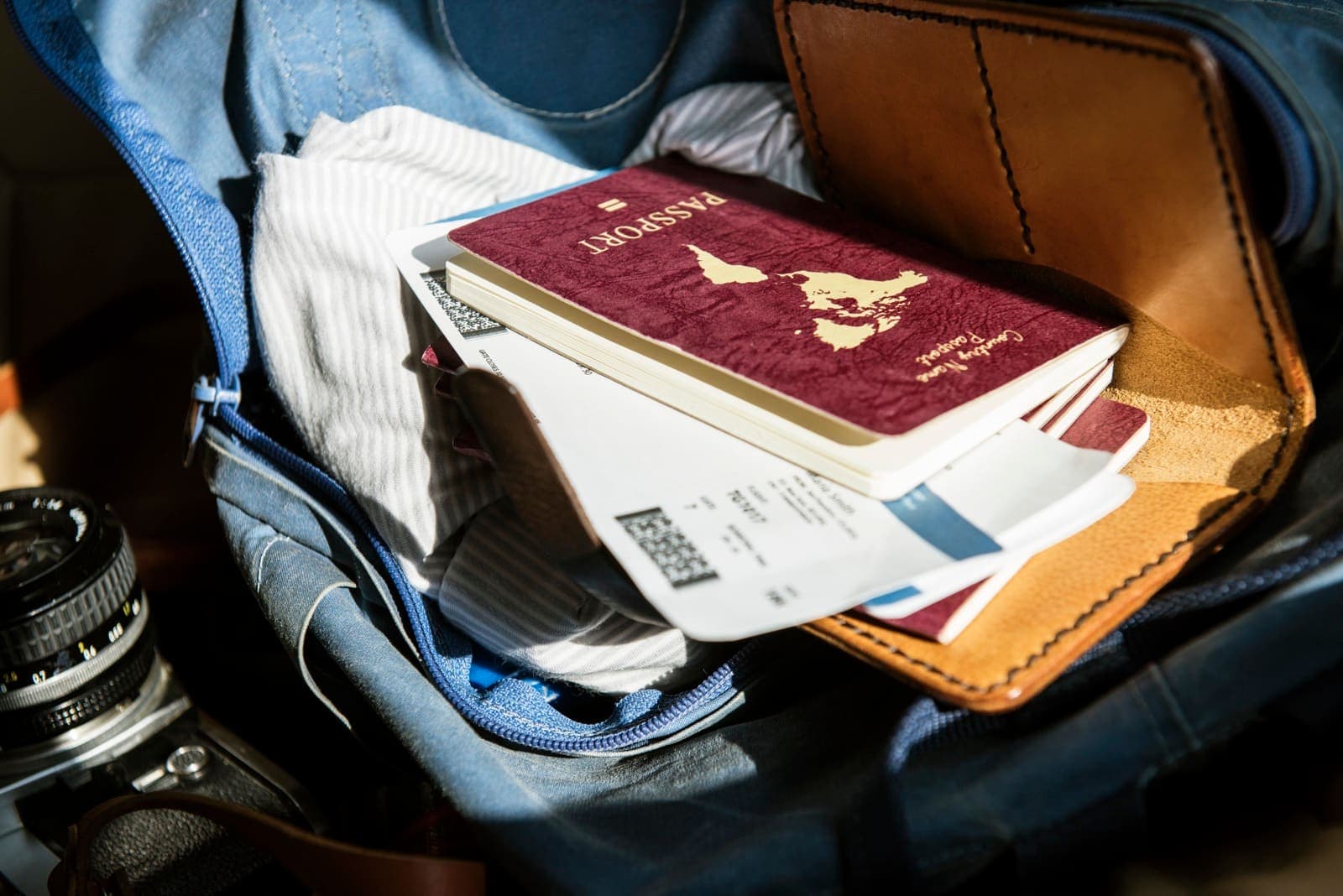
كيف تحصل على تصريح عمل في بولندا في عام 2026
كل ما تحتاج إلى معرفته عن الحصول على تصريح عمل في بولندا في عام 2026 — أنواع التصاريح، ونظام التقديم الرقمي الجديد، والمستندات المطلوبة، وأوقات المعالجة، والتكاليف.
October 15, 2025
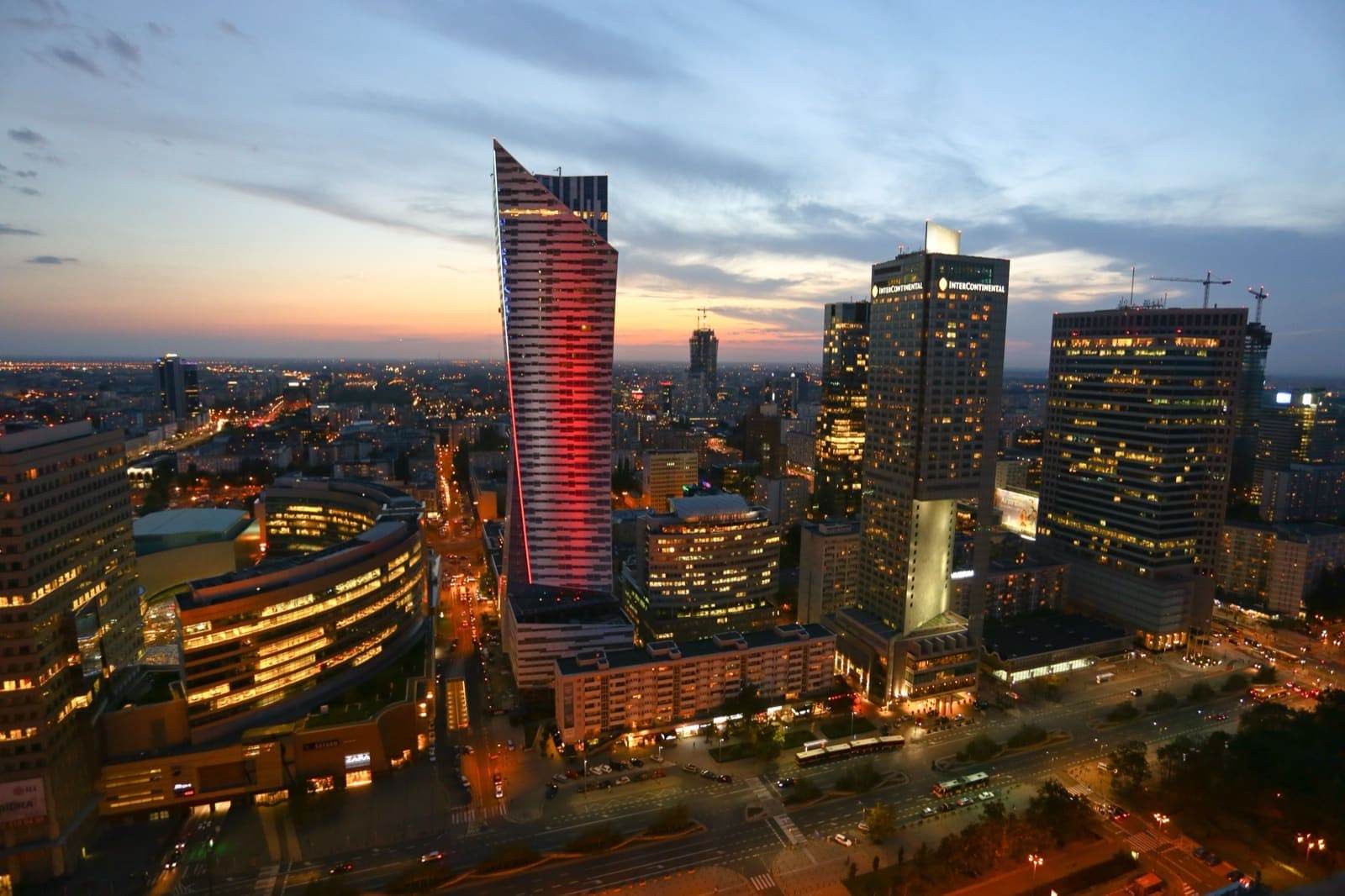
كيف تحصل على تصريح عمل في بولندا في عام 2026: الدليل الكامل
تبقى بولندا واحدة من أكثر الوجهات جاذبيةً للعمال الأجانب في أوروبا. فمع اقتصاد مزدهر، ونقص في العمالة عبر قطاعات متعددة، ونظام هجرة مبسّط بعد الإصلاح البارز في يونيو 2025، أصبح الحصول على تصريح عمل في بولندا أكثر وضوحاً من أي وقت مضى — إذا كنت تعرف العملية.
يغطّي هذا الدليل كل ما تحتاج إلى معرفته لتأمين تصريح عمل بولندي في عام 2026، من أنواع التصاريح المتاحة إلى عملية التقديم خطوةً بخطوة، والتكاليف، والأخطاء الشائعة التي ينبغي تجنّبها.
لماذا بولندا؟
بولندا هي سادس أكبر اقتصاد في الاتحاد الأوروبي، وقد شهدت نمواً مطّرداً في الناتج المحلي الإجمالي على مدى العقد الماضي. وتواجه البلاد نقصاً كبيراً في العمالة في قطاعات البناء والتصنيع والخدمات اللوجستية والزراعة والضيافة — مما يخلق طلباً حقيقياً على العمال الأجانب.
المزايا الرئيسية للعمال:
- عضوية الاتحاد الأوروبي — بولندا عضو كامل في الاتحاد الأوروبي/شنغن، مما يعني أن بطاقة إقامتك البولندية تتيح لك السفر بحرية عبر 27 دولة في منطقة شنغن
- حد أدنى للأجور يبلغ 4,806 زلوتي شهرياً إجمالاً في عام 2026 (نحو €1,120) — ارتفاعاً من 4,300 زلوتي في عام 2025
- حماية قوية للعمال بموجب قانون العمل البولندي وقانون الاتحاد الأوروبي
- مسار إلى الإقامة الدائمة بعد 5 سنوات من الإقامة القانونية المتواصلة
- اقتصاد متنامٍ مع بطالة عند مستويات تاريخية منخفضة (أقل من 5%)
أنواع تصاريح العمل في بولندا
تُصدِر بولندا عدة فئات من تصاريح العمل. وفهم أيّها ينطبق عليك هو الخطوة الأولى.
النوع A — تصريح العمل القياسي
هذا هو التصريح الأكثر شيوعاً. وهو يشمل المواطنين الأجانب الموظّفين لدى شركة مسجّلة في بولندا، والعاملين على الأراضي البولندية. إذا كنت قادماً إلى بولندا للعمل لدى صاحب عمل بولندي، فالنوع A هو ما تحتاجه على الأرجح.
- صالح لمدة تصل إلى 3 سنوات
- مرتبط بصاحب عمل ووظيفة وراتب محددين
- قابل للتجديد
النوع B — تصريح عضو مجلس الإدارة
للمواطنين الأجانب الذين يعملون في مجلس إدارة الشركة أو مجلسها الرقابي، أو يعملون كشريك عام في شركة توصية. نادراً ما يكون ذا صلة بمعظم العمال.
النوع C — تصريح العامل المنتدَب
لموظفي شركة أجنبية يُنتدَبون (يُفوَّضون) للعمل لدى كيان بولندي لأكثر من 30 يوماً في السنة التقويمية.
النوع D — تصريح تصدير الخدمات
لموظفي شركة أجنبية ليس لها فرع في بولندا لكنها تقدّم خدمات في بولندا بشكل مؤقت.
النوع E — تصريح العامل المنتدَب طويل الأمد
للعمال الأجانب المنتدَبين إلى بولندا لأكثر من 3 أشهر خلال 6 أشهر متتالية، في الحالات غير المشمولة بالأنواع B-D.
إقرار صاحب العمل (Oświadczenie o powierzeniu pracy)
هذا ليس تصريح عمل من الناحية التقنية، بل إجراء مبسّط يتيح لمواطني بلدان معينة (بما في ذلك أوكرانيا وبيلاروسيا وجورجيا وأرمينيا ومولدوفا) العمل في بولندا لمدة تصل إلى 24 شهراً. ويسجّل صاحب العمل الإقرار لدى مكتب العمل المحلي (Powiatowy Urząd Pracy).
مهم: لا ينطبق إجراء الإقرار على مواطني معظم البلدان الأفريقية أو الآسيوية. إذا كنت من نيجيريا أو الهند أو الفلبين أو بنغلاديش أو بلدان مماثلة، فستحتاج إلى تصريح عمل كامل من النوع A.
إصلاح بولندا في يونيو 2025: ما الذي تغيّر
في 1 يونيو 2025، دخل قانون شروط قبول العمال الأجانب في سوق العمل البولندية حيّز التنفيذ. وكان هذا أكبر إصلاح للهجرة في بولندا منذ 20 عاماً.
التغييرات الرئيسية:
- جميع الطلبات أصبحت رقمية فقط الآن. لم تعد الطلبات الورقية مقبولة في أي مكتب من مكاتب الفويفودية. ويقدّم صاحب عملك كل شيء عبر النظام الإلكتروني الحكومي (praca.gov.pl).
- أُلغي اختبار سوق العمل. ففي السابق، كان على أصحاب العمل إثبات أنه ما من مواطن بولندي أو من الاتحاد الأوروبي يمكنه شغل الوظيفة. وقد استُبدل هذا بنظام قوائم "الوظائف المحمية" التي تنشرها كل فويفودية. وإذا لم تكن الوظيفة على القائمة المحمية، فلا حاجة إلى اختبار.
- هيكل رسوم جديد (اعتباراً من 1 يناير 2026): ارتفعت إقرارات أصحاب العمل من 100 زلوتي إلى 400 زلوتي. وتتراوح تصاريح العمل القياسية الآن من 200 إلى 800 زلوتي بحسب النوع والمدة.
- عقوبات أعلى على التوظيف غير القانوني: ارتفعت الغرامات إلى 3,000–50,000 زلوتي (كانت سابقاً 1,000–5,000 زلوتي).
- أهداف معالجة أسرع: تهدف الحكومة إلى إصدار قرارات خلال 30 يوماً بشأن الطلبات المباشرة، وإن كانت الأوقات الفعلية تتفاوت بحسب الفويفودية.
العملية خطوةً بخطوة: من عرض العمل إلى الوصول
إليك العملية الواقعية للحصول على تصريح عمل والوصول إلى بولندا:
الخطوة 1: تأمين عرض عمل
تحتاج إلى عرض عمل ملموس من صاحب عمل بولندي. ويجب أن يحدّد العرض الوظيفة والراتب (بما لا يقل عن الحد الأدنى للأجور) وساعات العمل ومدة العقد. والعمل مع وكالة توظيف مرخّصة مثل World Wide Services يبسّط هذا بشكل كبير — فنحن نطابقك بأصحاب عمل موثّقين.
الخطوة 2: صاحب العمل يتقدّم بطلب تصريح العمل
يقدّم صاحب عملك البولندي (أو ممثّله المفوَّض) طلب تصريح العمل رقمياً عبر praca.gov.pl. وتشمل مستندات صاحب العمل المطلوبة:
- مستندات تسجيل الشركة (مستخرج KRS)
- التعريف الضريبي (NIP)
- إثبات عدم وجود متأخرات ضريبية (شهادات ZUS/US)
- الوصف الوظيفي وشروط التوظيف المقترحة
- إثبات أن الوظيفة ليست على القائمة المحمية للفويفودية (أو اختبار سوق عمل مكتمل إذا كانت كذلك)
الخطوة 3: الفويفود يصدر القرار
يراجع الفويفود (حاكم الإقليم) للمقاطعة التي سُجّلت فيها الشركة الطلبَ ويصدر قراراً. الجدول الزمني الواقعي: 1–2 شهر، وإن كانت الحالات المعقّدة أو الفويفوديات المزدحمة (Mazowieckie/وارسو) قد تستغرق وقتاً أطول.
الخطوة 4: إرسال تصريح العمل إليك
بمجرد الموافقة، يُرسَل مستند تصريح العمل إليك (أو إلى ممثّلك). وستحتاج إليه في طلب تأشيرتك.
الخطوة 5: التقدّم بطلب تأشيرة في السفارة البولندية
بعد حصولك على تصريح العمل، تتقدّم بطلب تأشيرة وطنية (النوع D) في السفارة أو القنصلية البولندية في بلد إقامتك.
المستندات المطلوبة لطلب التأشيرة:
- جواز سفر سارٍ (صلاحية لا تقل عن 6 أشهر بعد إقامتك المخطّط لها، مع صفحتين فارغتين على الأقل)
- نموذج طلب تأشيرة مكتمل
- صور بيومترية (3.5 × 4.5 سم، خلفية بيضاء)
- تصريح العمل أو إقرار صاحب العمل
- تأمين صحي سارٍ في بولندا
- إثبات السكن في بولندا (تأكيد سكن يوفّره صاحب العمل أو عقد إيجار)
- إثبات وجود أموال كافية
- حجز طيران أو خط سير سفر
- دفع رسوم التأشيرة
وقت معالجة السفارة: 2–3 أشهر في المتوسط. وبعض السفارات (لاغوس، أبوجا، نيودلهي) لديها أوقات انتظار أطول بسبب ارتفاع الطلب.
الخطوة 6: السفر إلى بولندا والتسجيل
بعد استلام تأشيرتك، سافر إلى بولندا وسجّل إقامتك لدى المكتب البلدي المحلي خلال 30 يوماً من الوصول. وينبغي أن يساعدك صاحب عملك في هذه العملية.
إجمالي الجدول الزمني الواقعي: 4–6 أشهر
| المرحلة | المدة |
|---|---|
| مطابقة الوظيفة والتوثيق | 2–4 أسابيع |
| طلب تصريح العمل والقرار | 1–2 شهر |
| طلب التأشيرة ومعالجتها | 2–3 أشهر |
| السفر والتسجيل | 1–2 أسبوع |
| الإجمالي | 4–6 أشهر |
تفصيل التكاليف
| البند | التكلفة (2026) |
|---|---|
| إقرار صاحب العمل (Oświadczenie) | 400 زلوتي (~€93) |
| تصريح عمل من النوع A (حتى 3 أشهر) | 200 زلوتي (~€47) |
| تصريح عمل من النوع A (أكثر من 3 أشهر) | 400 زلوتي (~€93) |
| تصريح عمل من النوع A (أكثر من سنة) | 800 زلوتي (~€186) |
| التأشيرة الوطنية (النوع D) | €80 |
| التأمين الصحي (أساسي) | €30–60/شهرياً |
| ترجمات المستندات/التصديقات | €50–150 |
ملاحظة: بموجب القانون البولندي، يتحمّل صاحب العمل تكلفة طلب تصريح العمل. أما رسوم التأشيرة وتكاليف المستندات الشخصية فهي عادةً من مسؤولية العامل.
الأسباب الشائعة للرفض
تجنّب هذه الأخطاء التي كثيراً ما تتسبّب في رفض الطلبات:
- مستندات ناقصة أو غير متسقة — تواقيع مفقودة، أو شهادات قديمة، أو معلومات غير متطابقة بين تصريح العمل وطلب التأشيرة
- مشكلات في صلاحية جواز السفر — انتهاء صلاحية جواز السفر قريباً جداً أو افتقاره إلى صفحات فارغة
- مشكلات امتثال صاحب العمل — صاحب العمل لديه متأخرات ضريبية، أو تعرّض لغرامات بسبب مخالفات عمل، أو مدرج على قائمة سوداء
- راتب أقل من الحد الأدنى للأجور — يجب أن يفي الراتب المعروض بالحد الأدنى الحالي للأجور أو يتجاوزه (4,806 زلوتي شهرياً إجمالاً في عام 2026)
- تعارضات الوظائف المحمية — الوظيفة على القائمة المحمية للفويفودية ولم يُجرَ اختبار لسوق العمل
- إثبات غير كافٍ للأموال — لا يمكنك إثبات أن لديك ما يكفي من المال لإعالة نفسك في البداية
- مخالفات هجرة سابقة — تجاوز مدة تأشيرة سابقة أو العمل بشكل غير قانوني في منطقة شنغن
الأسئلة الشائعة
هل يمكنني تغيير أصحاب العمل بعد الوصول إلى بولندا؟
ليس تلقائياً. تصريح عملك مرتبط بصاحب عمل ووظيفة محددين. ولتغيير الوظيفة، يجب أن يتقدّم صاحب عملك الجديد بطلب تصريح عمل جديد. ومع ذلك، بموجب إصلاح 2025، جرى تبسيط إجراء تغيير أصحاب العمل ويستغرق عادةً 30–45 يوماً.
هل أحتاج إلى التحدث بالبولندية؟
لا يوجد شرط للغة البولندية للحصول على تصريح العمل. ومع ذلك، ستحسّن البولندية الأساسية حياتك اليومية وآفاقك الوظيفية بشكل كبير. وكثير من أصحاب العمل في التصنيع والبناء يوفّرون دعم ترجمة في الموقع.
هل يمكنني إحضار عائلتي؟
نعم. بعد حصولك على تصريح إقامتك في بولندا، يمكن لزوجك وأطفالك القُصّر التقدّم بطلب تأشيرات لمّ شمل العائلة. وسيحصلون أيضاً على حق العمل في بولندا.
كم من المال أحتاج إلى إثباته للتأشيرة؟
القاعدة العامة هي 2,000–3,000 زلوتي على الأقل من الأموال المتاحة، إضافةً إلى ما يكفي لتذكرة عودتك. وإذا وفّر صاحب عملك السكن والوجبات، فقد يكون الشرط المالي أقل.
ماذا يحدث بعد 3 سنوات؟
بعد 3 سنوات من العمل القانوني المتواصل في بولندا، يمكنك التقدّم بطلب تصريح إقامة وعمل مؤقت (تصريح واحد يجمع بينهما). وبعد 5 سنوات، قد تكون مؤهلاً للحصول على الإقامة الدائمة أو حتى وضع المقيم طويل الأمد في الاتحاد الأوروبي.
هل بولندا آمنة للعمال الأجانب؟
بولندا آمنة بشكل عام. والمدن الكبرى مثل وارسو وكراكوف وفروتسواف وشتشيتسين لديها مجتمعات دولية متنوعة. وتوجد حوادث تمييز لكنها غير شائعة في بيئات العمل، ويوفّر القانون البولندي حماية قوية ضد التمييز في مكان العمل.
كيف يمكن لـ World Wide Services أن تساعد
قد يكون التنقّل في نظام الهجرة البولندي بمفردك أمراً مرهقاً — خاصةً مع التغييرات التنظيمية في 2025–2026. وقد ساعدت World Wide Services أكثر من 3,720 عاملاً على تأمين عمل قانوني في بولندا، بمعدل موافقة على تصاريح العمل يبلغ 97%.
نحن نتولّى العملية بأكملها:
- مطابقتك بأصحاب عمل بولنديين موثّقين
- إعداد جميع المستندات وفق المعايير الحكومية
- إدارة عملية التقديم الرقمي نيابةً عن صاحب عملك
- إرشادك عبر موعد التأشيرة في السفارة
- تقديم دعم الوصول والمساعدة في التسجيل
ابدأ اليوم. تفضّل بزيارة worldwideservice.eu أو زُر مكاتبنا في شتشيتسين (بولندا) أو أبوجا (نيجيريا) أو تيرانا (ألبانيا).
World Wide Services sp. z o.o. — KRS: 0000598190 | NIP: 7792438654
About the Author
Karim Bukarim
Co-Founder, Head of Product Development
Karim is a co-founder of World Wide Services with deep expertise in international employment and immigration processes. He leads product development to simplify global workforce mobility.