
Working in Europe from Nigeria
Thousands of Nigerians are building better lives for their families through legal work in Europe. We are a licensed recruitment company with a physical office in Abuja — not a Facebook page, not an agent you cannot verify. Your safety and success are our business.
Salaries 4–5× Higher Than Nigeria
The average Nigerian earns $170–220/month. Entry-level factory and construction roles in Poland pay €800–€1,000/month net — that's 4–5× more. Skilled tradespeople earn €1,200–€1,800. Your family feels the difference immediately.
Legal Pathways, Documented Every Step
Every worker we place receives a written employment contract before departure, a receipt for every fee paid, and direct contact with their Polish or Albanian employer. Nothing is hidden. Everything is verified.
Career Growth and European Experience
Working in Europe builds your CV, your professional network, and your savings simultaneously. Many of our Nigerian alumni have returned home with capital to start businesses or brought their families to join them legally.
Family Support from Arrival to Settlement
We do not abandon you after landing. Airport pickup, accommodation assistance, local registration, and a dedicated support contact for your first 90 days — because a smooth start makes everything easier.
CAC
What Nigerian Law Requires
Nigeria's Corporate Affairs Commission (CAC) requires all recruitment agents to be registered. World Wide Services is registered with CAC (RC 8588112) and holds a KRAZ license in Poland. Before paying any agent, verify their CAC registration and insist on a written contract.

Compare
Europe vs. Gulf States — Know the Difference
Gulf States
Your passport
Often confiscated by employer
Employment contract
Frequently switched on arrival
Working hours
12+ hours/day, 6-7 days/week
Path to residency
Near impossible
Family reunification
Very difficult
Healthcare
Employer-dependent
Europe
Your passport
You keep it — confiscation is a criminal offense
Employment contract
Original contract is legally binding
Working hours
EU maximum 48 hours/week
Path to residency
Serbia: 3 years. Poland: 5 years
Family reunification
Possible after 1-2 years
Healthcare
State healthcare included with employment
Arrival Guide
Your First 7 Days in Poland
Legal Protection
Your Rights as a Worker in Poland
What Your Employer Must Provide
Written Contract in Your Language
Since June 1, 2025, the Act on Conditions of Admissibility requires all employment contracts with foreigners to be in writing and in a language the worker understands. If it is only in Polish, your employer must provide a sworn translation.
Minimum Wage: PLN 4,806/month
This is the 2026 gross minimum. It must be paid as base salary — not through overtime or bonuses. Your net pay will be approximately 70–75% of gross.
40-Hour Work Week Maximum
8 hours per day, 5 days per week. Overtime must be compensated at 150% (weekdays) or 200% (weekends/holidays). Your employer cannot force unpaid overtime.
20–26 Days Paid Leave Per Year
20 days if you have less than 10 years of work experience, 26 days if more. This is paid leave — your employer cannot deduct it from your salary.
Healthcare & Social Insurance
Your employer pays ZUS contributions from your salary. This covers: public healthcare (NFZ), pension, disability, and sickness insurance. You are covered from day one.
If Something Goes Wrong
Report to Labor Inspection (PIP)
The National Labour Inspectorate (Państwowa Inspekcja Pracy) investigates employer violations. They can conduct unannounced inspections. Fines for employers: up to PLN 60,000 (doubled in 2026).
Know Your Contract Type
"Umowa o pracę" (employment contract) = full protection. "Umowa zlecenie" (mandate contract) = fewer rights. "Umowa o dzieło" (task contract) = least protection. Always insist on umowa o pracę.
Contact Your Embassy
The Nigerian Embassy in Warsaw (Kosiarzy 22B, 02-956 Warsaw) provides consular assistance for Nigerian workers. Keep their number saved: +48 22 651 5305.
Your Passport Stays With You
Confiscating your passport is a criminal offense under Polish law. If your employer takes your passport, contact the police immediately. This is non-negotiable.
Contact World Wide Services
We do not abandon you after placement. If your employer violates your contract, contact us. We have ended relationships with employers who did not honour their obligations.
Process
How It Works

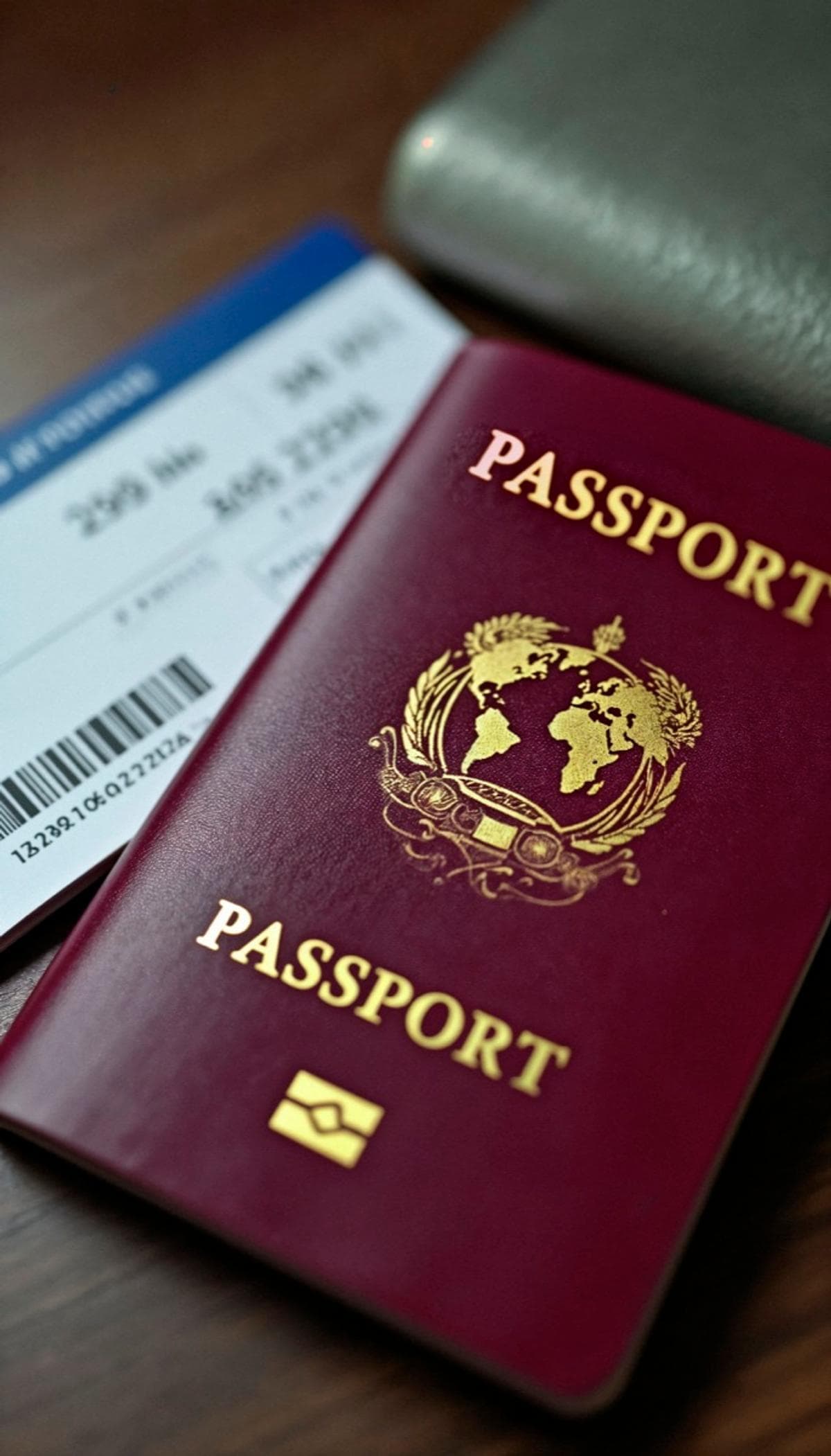
Document Preparation
We guide you through gathering your passport, educational certificates, work experience records, and medical documents. We handle apostille, translation, and notarization — and give you a receipt for every payment.

Application and Processing
We submit your application to a verified European employer, coordinate the work permit with Polish or Albanian immigration authorities, and keep you informed at every step. Average processing: 6–10 weeks.
Departure and Settlement Support
We confirm your visa, brief you on your rights as a worker in Europe, arrange airport pickup, and introduce you to your employer and accommodation. Your support contact stays available for 90 days after arrival.
Life Abroad
Life in Europe for Nigerians
Halal & Mosques
Warsaw Islamic Centre at Wiertnicza 103 (Mokotów district), Al-Mabarrat Mosque in Krakow. Albania is ~51% Muslim (45.9% Sunni + 4.8% Bektashi) with mosques in every city. Halal kebab shops widespread; African groceries in Warsaw.

Nigerian Churches
Nigerian Pentecostal and Evangelical churches in Warsaw, Krakow, and Poznan. RCCG (Redeemed Christian Church of God) has a parish in Warsaw. NIDOP community organizes regular services and social events.

Weather Preparation
Polish winters reach -20°C. Budget 500-800 PLN for winter gear (thermal layers, insulated boots, heavy coat). Employer-provided housing includes heating. Albania is milder (Mediterranean coast).
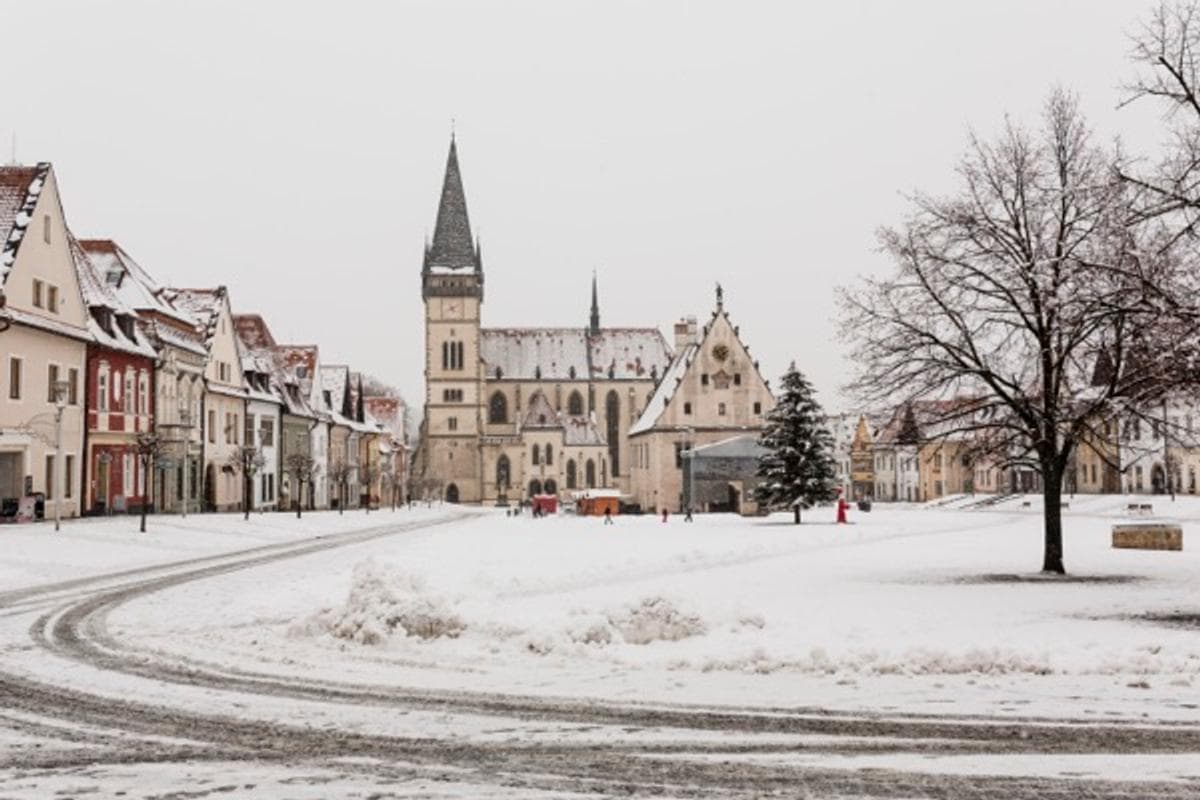
Nigerian Community
NIDOP (Nigerians In Diaspora Organisation Poland) — active community with chapters across Poland (nidopoland.pl). WhatsApp groups for housing, jobs, and support.

Money Transfer
Send Money Home
None of our destination countries tax personal remittances. Compare fees, speed, and availability across Poland, Serbia, and Albania.
Speed
Receives
Bank account
~1.2%
Bank account
Speed
Receives
Bank card
0% bank / 0.3% card
Bank card
Speed
Receives
Bank, mobile, cash
~$3.99 or free
Bank, mobile, cash
Speed
Receives
Cash pickup
1–5%
Cash pickup
Speed
Receives
Cash, bank
0% promo (up to $5K)
Cash, bank
Money
Real Cost of Living in Poland
What a factory or construction worker actually spends monthly in Poland. These are real numbers, not averages that include executive salaries.
Monthly Expenses
Total monthly costs
Your Salary
Gross monthly (our positions)
What You Can Save
Monthly savings
Many employers cover these costs
- Accommodation — free or PLN 300–700/mo (€70–165) deducted from salary
- Transport to/from work — shuttle buses provided by many factories
- Work clothing, safety equipment & PPE
- Meal subsidies or on-site canteen access
Exact benefits vary by employer and position. Your advisor will provide a full breakdown of what is included in your specific offer before you sign anything.
Frequently Asked Questions