Your First 7 Days in Poland: What to Expect After Arrival
A practical day-by-day guide to your first week in Poland as a foreign worker. Learn what happens from airport arrival through starting work and settling in.
April 4, 2026

Your First 7 Days in Poland: What to Expect After Arrival
You have completed the paperwork, received your visa, and now the plane is descending into Poland. What happens next?
This guide walks you through your first seven days — day by day.
Before You Land: What to Pack in Hand Luggage
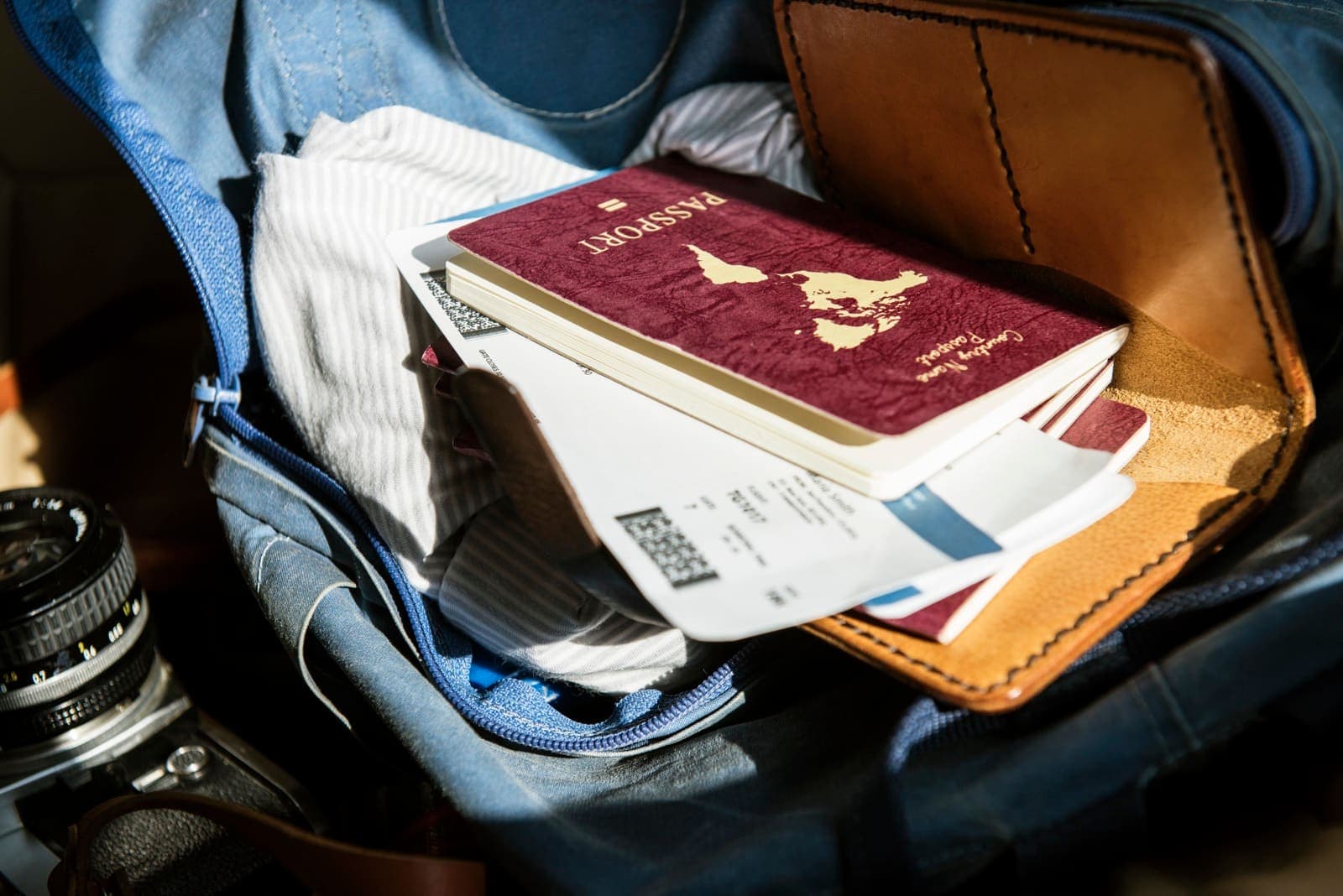
- Passport with valid visa
- Employment contract (printed)
- Copies of all submitted documents
- Emergency contact info for employer and WWS
- Cash (at least €100 in euros or PLN)
- Phone with working SIM or airport Wi-Fi access
Full preparation list: document checklist
Day 1: Arrival
At the airport: Go through passport control with your passport and visa ready. Collect luggage. Meet your pickup — your employer or WWS representative will be there.
First accommodation: Typically a shared flat or workers' residence close to your workplace. Unpack, rest, find the nearest grocery store.
Weather warning: October–March, Poland can drop below -10°C. If you come from a tropical country, invest in a warm jacket, gloves, and hat immediately.
Day 2: Meeting Employer and Getting a SIM Card
Morning: Meet your employer or site manager. Review your contract, attend a health and safety briefing, tour the workplace.
Afternoon: Get a Polish SIM card. Popular providers: Play, Orange, Plus, T-Mobile. Costs ~€5–10. You need your passport to buy one.
Day 3: PESEL Registration and Bank Account
PESEL: Poland's personal ID number. Essential for employment, healthcare, banking. Visit the local municipal office with your passport and accommodation proof. Usually processed same day.
Bank account: With PESEL and passport, open an account at PKO Bank Polski, mBank, or Santander. Takes 30-60 minutes. Your salary will be paid here.
Days 4-5: Starting Work
- Your first day will be slower — training and guidance
- Language is manageable — tasks demonstrated visually, basic English used
- Punctuality is critical — arrive 10 minutes early
- Safety rules are strict — wear all required protective equipment
Polish Workplace Culture
- Directness is normal, not rudeness
- Breaks are structured (15-30 min per 8-hour shift)
- Overtime is available at 150-200% of hourly rate
- Respect the hierarchy
Days 6-7: Settling In
Explore your neighbourhood. Find:
- Supermarkets: Biedronka, Lidl, Żabka (cheap and widespread)
- Public transport: Monthly pass costs €20-30
- Pharmacy (Apteka): For basic medicine
- International food stores for familiar ingredients
Cooking at home is the best way to control spending. Weekly grocery budget: €25-40.
What Employer Provides vs. What You Handle
Employer provides: Accommodation, airport pickup, work contract, safety equipment, paperwork guidance
You handle: Food, phone/SIM, personal expenses, toiletries, clothing, leisure
Practical Tips
- Download Google Translate with Polish (camera feature translates signs)
- Carry your passport the first week
- Be patient — culture shock passes
- Connect with other foreign workers
- Save emergency number: 112
After seven days, you will have a routine. From here, focus on performing well, building savings, and learning basic Polish.
See the full process or start your application.
Based on real experiences of workers placed through World Wide Services.
About the Author
Karim Bukarim
Co-Founder, Head of Product Development
Karim is a co-founder of World Wide Services with deep expertise in international employment and immigration processes. He leads product development to simplify global workforce mobility.