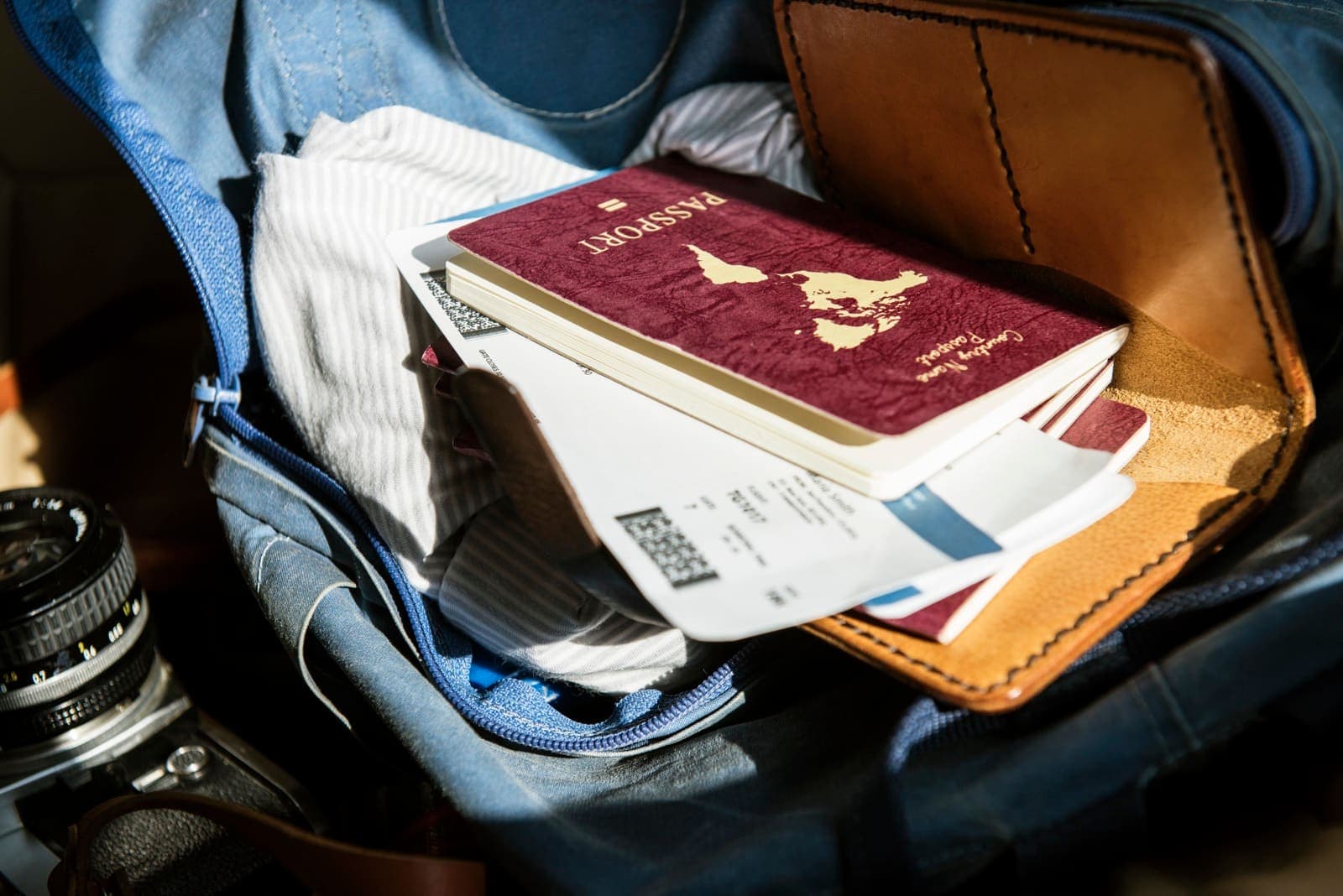
À quoi s'attendre pendant votre premier mois de travail en Pologne
Votre guide pratique des 30 premiers jours en Pologne — de l'arrivée à l'aéroport et l'inscription au PESEL à l'ouverture d'un compte bancaire, en passant par la recherche de plats familiers et la façon d'affronter le climat.
February 20, 2026
À quoi s'attendre pendant votre premier mois de travail en Pologne
S'installer dans un nouveau pays est l'une des plus grandes décisions que vous prendrez jamais. L'enthousiasme d'avoir décroché un emploi en Pologne est vite suivi d'une vague de questions pratiques : où aller après mon arrivée ? Comment obtenir un numéro de téléphone ? Où trouver de la nourriture de chez moi ? Vais-je survivre à l'hiver ?
Ce guide vous accompagne à travers tout ce que vous devez savoir sur vos 30 premiers jours en Pologne, sur la base de l'expérience réelle de plus de 3 720 travailleurs qui ont fait ce parcours avec World Wide Services.
Jours 1 à 3 : arrivée et installation
Arrivée à l'aéroport
La plupart des travailleurs internationaux arrivent à l'aéroport de Varsovie-Chopin (WAW), même si certains atterrissent à Katowice, Cracovie ou Gdańsk selon l'implantation de leur employeur. Voici à quoi vous attendre :
- Prise en charge par l'employeur : si vous êtes placé par l'intermédiaire de WWS, votre employeur ou un représentant de l'entreprise viendra vous chercher à l'aéroport. Confirmez les modalités de prise en charge avant votre départ — nom, numéro de téléphone et point de rendez-vous.
- Contrôle de l'immigration : ayez votre visa de travail, votre passeport, votre contrat de travail et votre adresse de logement imprimés et prêts à présenter. Les agents des frontières peuvent demander à voir ces documents.
- Devise : la Pologne utilise le zloty polonais (PLN). Retirez des espèces à un distributeur automatique de l'aéroport (évitez les bureaux de change — leurs taux sont désastreux). Vous aurez besoin de 50 à 100 PLN pour vos dépenses immédiates.
Arrivée au logement
La plupart des employeurs fournissent un logement partagé pour la première période d'emploi. À votre arrivée dans votre logement :
- Inspectez la chambre et notez tout dommage existant
- Confirmez le montant du loyer et l'échéancier de paiement avec votre employeur
- Obtenez le mot de passe du Wi-Fi — vous aurez besoin d'un accès à Internet immédiatement
- Repérez l'épicerie, la pharmacie et l'arrêt de transport en commun les plus proches
Semaine 1 : inscriptions et démarches administratives essentielles
Le numéro PESEL — votre inscription la plus importante
Le PESEL (Powszechny Elektroniczny System Ewidencji Ludności) est un numéro d'identification à 11 chiffres dont vous avez besoin pour presque tout en Pologne. Sans lui, vous ne pouvez ni ouvrir un compte bancaire, ni souscrire un forfait téléphonique, ni accéder aux soins de santé.
Comment obtenir votre PESEL :
- Rendez-vous à votre Urząd Gminy (bureau municipal) ou Urząd Miasta (hôtel de ville) local
- Remplissez le formulaire d'inscription (votre employeur peut vous aider pour cette démarche)
- Munissez-vous de votre passeport, de votre visa et d'un justificatif de logement (contrat de location ou attestation de l'employeur)
- Le PESEL est généralement délivré sur place ou sous quelques jours
- Vous recevrez un document de confirmation — conservez-le précieusement
Signature du contrat de travail
La loi polonaise oblige votre employeur à fournir un contrat écrit avant que vous ne commenciez à travailler. Assurez-vous de :
- Recevoir une copie dans une langue que vous comprenez (la plupart des employeurs fournissent des traductions en anglais)
- Vérifier que le salaire correspond à ce qui a été convenu
- Comprendre les horaires de travail, les règles relatives aux heures supplémentaires et les temps de pause
- Connaître votre période d'essai (généralement 1 à 3 mois)
- Vous renseigner sur l'assurance maladie — votre employeur doit vous immatriculer auprès de la ZUS (Institution d'assurance sociale)
Intégration sur le lieu de travail
Vos premiers jours de travail comprendront une formation à la sécurité (BHP — Bezpieczeństwo i Higiena Pracy), obligatoire en vertu de la loi polonaise. Vous recevrez également votre tenue de travail le cas échéant, l'attribution d'un casier, ainsi qu'une présentation à votre supérieur et à votre équipe.
Ouvrir un compte bancaire
Vous avez besoin d'un compte bancaire polonais pour percevoir votre salaire. La plupart des employeurs paient par virement bancaire, et non en espèces.
Banques qui acceptent les travailleurs étrangers
| Banque | Conditions | Délai de réception de la carte | Application mobile | Remarques |
|---|---|---|---|---|
| PKO BP | Passeport + PESEL | Le jour même | Oui (IKO) | Plus grande banque de Pologne, le plus de distributeurs |
| mBank | Passeport + PESEL | 5 à 7 jours | Oui | Bonne application en anglais |
| Santander | Passeport + PESEL | 3 à 5 jours | Oui | Personnel anglophone dans les grandes villes |
| Pekao SA | Passeport + PESEL | Le jour même | Oui (PeoPay) | Deuxième plus grande banque |
Documents nécessaires :
- Passeport valide
- Confirmation du PESEL
- Justificatif de domicile (contrat de location ou attestation de l'employeur)
- Contrat de travail
Astuce : PKO BP et mBank sont les plus accueillantes envers les étrangers. Certaines agences disposent de personnel anglophone — appelez à l'avance pour vérifier.
Obtenir une carte SIM polonaise
Un numéro de téléphone local est indispensable pour communiquer avec votre employeur, vos collègues, et pour l'authentification à deux facteurs sur l'application de votre banque.
Forfaits prépayés (sans engagement)
| Opérateur | Coût mensuel | Données | Où l'acheter |
|---|---|---|---|
| Play | 25 à 30 PLN | 10 à 15 Go | Boutiques Play, supérettes Żabka |
| Orange | 30 à 35 PLN | 15 à 20 Go | Boutiques Orange, magasins multimédia |
| T-Mobile | 30 à 35 PLN | 15 à 20 Go | Boutiques T-Mobile, magasins d'électronique |
| Plus | 25 à 30 PLN | 10 à 15 Go | Boutiques Plus, Żabka |
Ce dont vous avez besoin pour acheter une carte SIM :
- Passeport (exigé par la loi pour l'enregistrement de la carte SIM)
- 5 à 10 PLN pour la carte SIM elle-même
- Espèces ou carte pour la première recharge
Astuce : les supérettes Żabka se trouvent à presque tous les coins de rue et vendent des cartes SIM prépayées de la plupart des opérateurs. Play propose les meilleurs forfaits économiques.
Alimentation et courses : retrouver des saveurs familières
Épiceries à petits prix
Pour vos courses de tous les jours, voici les enseignes les plus abordables :
- Biedronka — le supermarché le moins cher de Pologne, présent partout. Idéal pour les produits de base, la viande, le pain et les légumes.
- Lidl — un peu plus de choix que Biedronka, bon rayon boulangerie, promotions hebdomadaires sur les produits internationaux.
- Netto — semblable à Biedronka, parfois moins cher sur certains articles.
- Auchan / Carrefour — des hypermarchés plus grands avec des rayons de produits internationaux plus fournis.
Épiceries africaines et asiatiques
Les grandes villes polonaises disposent de magasins spécialisés où vous pouvez trouver des produits de chez vous :
- Varsovie : Lagos Supermarket (quartier de Praga), African Food Store (Wola), plusieurs marchés asiatiques dans le centre-ville
- Wrocław : boutiques africaines près de la gare principale, supermarchés asiatiques rue Ruska
- Cracovie : épiceries internationales dans le quartier de Kazimierz
- Gdańsk / Szczecin : un nombre croissant de boutiques africaines et asiatiques — demandez à la communauté locale les adresses actuelles
La viande halal est disponible dans la plupart des villes auprès des boucheries halal, des kebabs turcs (qui vendent souvent de la viande crue) et dans certains rayons des grands supermarchés.
Budget alimentaire hebdomadaire
Prévoyez de dépenser 200 à 400 PLN par mois en courses si vous cuisinez chez vous. Manger dans un restaurant économique (bar mleczny — cantine populaire) coûte 15 à 25 PLN par repas.
Survivre au climat polonais
La Pologne connaît quatre saisons bien distinctes, et les hivers y sont rudes.
À quoi s'attendre
- Novembre à mars : les températures hivernales oscillent entre 0 °C et -15 °C (et parfois plus froid). La neige est fréquente.
- Avril à mai : le printemps arrive lentement. Températures de 5 à 15 °C. La pluie est fréquente.
- Juin à août : l'été est chaud, de 20 à 30 °C. Longues journées ensoleillées.
- Septembre à octobre : l'automne apporte la pluie et le rafraîchissement des températures, de 5 à 15 °C.
Vêtements d'hiver indispensables
Si vous arrivez entre octobre et mars, vous DEVEZ absolument avoir :
- Une veste d'hiver : matelassée, coupe-vent et imperméable. Budget : 150 à 300 PLN.
- Des sous-vêtements thermiques : hauts thermiques à manches longues et leggings. Budget : 40 à 80 PLN.
- Des bottes d'hiver : imperméables avec doublure chaude. Budget : 100 à 200 PLN.
- Un bonnet, des gants et une écharpe : non négociables. Budget : 30 à 60 PLN.
Où acheter des vêtements d'hiver abordables :
- Pepco — produits de base et accessoires d'hiver à très bas prix
- Sinsay / House — enseignes de mode économique avec des collections d'hiver
- Decathlon — le meilleur rapport qualité-prix pour les sous-vêtements thermiques et les équipements imperméables
- Friperies (Lumpeksy) — des manteaux d'hiver de qualité pour 30 à 80 PLN
- Allegro.pl — la plus grande place de marché en ligne de Pologne (comme eBay)
20 expressions polonaises indispensables
Le polonais est une langue difficile, mais apprendre quelques expressions vous sera très utile avec vos collègues et dans la vie quotidienne.
| Polonais | Prononciation | Français |
|---|---|---|
| Dzień dobry | Jen DOH-bri | Bonjour (formel) |
| Cześć | Cheshch | Salut (informel, bonjour et au revoir) |
| Dziękuję | Jen-KOO-yeh | Merci |
| Proszę | PRO-sheh | S'il vous plaît / De rien |
| Tak / Nie | Tahk / Nyeh | Oui / Non |
| Przepraszam | Psheh-PRA-shahm | Excusez-moi / Pardon |
| Nie rozumiem | Nyeh roh-ZOO-myem | Je ne comprends pas |
| Czy mówi Pan/Pani po angielsku? | Chi MOO-vee pahn/PAH-nee po ahn-GYEL-skoo | Parlez-vous anglais ? |
| Ile to kosztuje? | EE-leh toh kosh-TOO-yeh | Combien cela coûte-t-il ? |
| Gdzie jest...? | Gdjeh yest | Où se trouve... ? |
| Toaleta | Toh-ah-LEH-tah | Toilettes |
| Szpital | SHPEE-tahl | Hôpital |
| Pomoc! | POH-mohts | À l'aide ! |
| Rachunek proszę | Rah-HOO-nek PRO-sheh | L'addition, s'il vous plaît |
| Jedno piwo proszę | YED-noh PEE-voh PRO-sheh | Une bière, s'il vous plaît |
| Smacznego | Smach-NEH-goh | Bon appétit |
| Na zdrowie | Nah ZDRO-vyeh | Santé / À vos souhaits |
| Dobranoc | Doh-BRA-nohts | Bonne nuit |
| Do widzenia | Doh vee-DZEN-yah | Au revoir (formel) |
| Potrzebuję pomocy | Poh-TSHEH-boo-yeh poh-MOH-tsi | J'ai besoin d'aide |
Envoyer de l'argent au pays
La plupart des travailleurs en Pologne envoient régulièrement de l'argent à leur famille restée au pays. Voici une comparaison des principales options :
| Service | Frais de transfert | Marge sur le taux de change | Rapidité | Comment envoyer |
|---|---|---|---|---|
| Wise (TransferWise) | 5 à 15 PLN | 0,4 à 0,7 % | 1 à 2 jours ouvrés | Application ou site web |
| Western Union | 15 à 40 PLN | 1 à 3 % | Quelques minutes (retrait en espèces) | Points de vente agréés, application |
| Ria Money Transfer | 10 à 30 PLN | 1 à 2 % | De quelques minutes à 1 jour | Points de vente agréés, application |
| Remitly | 0 à 15 PLN | 0,5 à 1,5 % | De quelques minutes à 3 jours | Application |
| WorldRemit | 5 à 15 PLN | 0,5 à 1,5 % | De quelques minutes à 2 jours | Application |
Recommandation : Wise offre les meilleurs taux de change et les frais les plus bas pour les virements de compte à compte. Utilisez Western Union ou Ria lorsque votre famille a besoin d'un retrait en espèces immédiat.
La culture du travail en Pologne
Comprendre les attentes en milieu professionnel vous aidera à vous intégrer rapidement :
- La ponctualité est essentielle : arriver ne serait-ce que 5 minutes en retard est remarqué et mal vu. Réglez plusieurs alarmes si nécessaire.
- Les pauses sont planifiées : la plupart des usines ont des horaires de pause fixes — 15 minutes pour 8 heures travaillées, plus une pause déjeuner.
- Une communication directe : les responsables polonais ont tendance à être francs. Si quelque chose ne va pas, ils vous le diront directement. Ce n'est pas de l'impolitesse — c'est la norme culturelle.
- Les heures supplémentaires : elles doivent être convenues et sont payées à 150-200 % de votre taux normal. Ne faites jamais d'heures supplémentaires sans accord écrit.
- Les arrêts maladie : si vous êtes malade, appelez immédiatement votre employeur et consultez un médecin. Vous avez besoin d'un certificat d'arrêt maladie officiel (L4).
Numéros d'urgence
Enregistrez ces numéros dans votre téléphone dès le jour 1 :
- 112 — Urgences générales (police, pompiers, ambulance)
- 999 — Ambulance
- 998 — Pompiers
- 997 — Police
- 116 123 — Ligne d'écoute et de soutien psychologique
- Le contact d'urgence de votre employeur — À obtenir dès votre premier jour
- Votre coordinateur WWS — Disponible pour vous aider en cas de problème durant votre période d'installation
Foire aux questions
Combien de temps faut-il pour obtenir un numéro PESEL ?
Généralement le jour même ou sous 2 à 3 jours ouvrés. Rendez-vous à votre bureau municipal local avec votre passeport, votre visa et un justificatif de logement.
Puis-je ouvrir un compte bancaire sans parler polonais ?
Oui. PKO BP et mBank disposent de personnel anglophone dans les grandes villes et d'applications mobiles en anglais. Appelez à l'avance pour confirmer la disponibilité.
Que faire si je ne trouve pas de nourriture de mon pays d'origine ?
Dans les petites villes, la nourriture internationale peut être plus difficile à trouver. Rejoignez les groupes communautaires locaux sur Facebook — les communautés africaines et asiatiques de Pologne sont actives et peuvent vous orienter vers des magasins, des restaurants et des cuisiniers à domicile.
Quel froid fait-il vraiment en hiver ?
Les températures atteignent régulièrement -10 °C à -15 °C entre décembre et février. Le refroidissement éolien peut donner une sensation encore plus froide. Des vêtements d'hiver adaptés ne sont pas facultatifs — c'est une nécessité pour votre santé.
La Pologne est-elle sûre pour les travailleurs étrangers ?
Oui. La Pologne est l'un des pays les plus sûrs d'Europe. Comme partout, faites preuve de prudence normale en ville la nuit. La plupart des travailleurs déclarent se sentir en sécurité et bien accueillis par leurs collègues polonais.
Combien d'argent dois-je apporter pour le premier mois ?
Apportez au moins 1 500 à 2 000 PLN (environ 350 à 470 EUR) pour couvrir vos dépenses avant votre première paie. Cela couvre la nourriture, les transports, une carte SIM et les fournitures de base.
Démarrez votre parcours en toute confiance
Le premier mois dans un nouveau pays est toujours le plus difficile — mais avec une bonne préparation, il devient une aventure passionnante plutôt qu'une épreuve stressante. World Wide Services a aidé plus de 3 720 travailleurs à s'installer avec succès en Pologne, et notre équipe vous accompagne non seulement dans les démarches administratives, mais tout au long de votre relocalisation.
Prêt à franchir la prochaine étape ? Rendez-vous sur worldwideservice.eu pour découvrir les postes disponibles en Pologne, ou contactez nos bureaux de Szczecin, Abuja ou Tirana pour une consultation gratuite.
About the Author
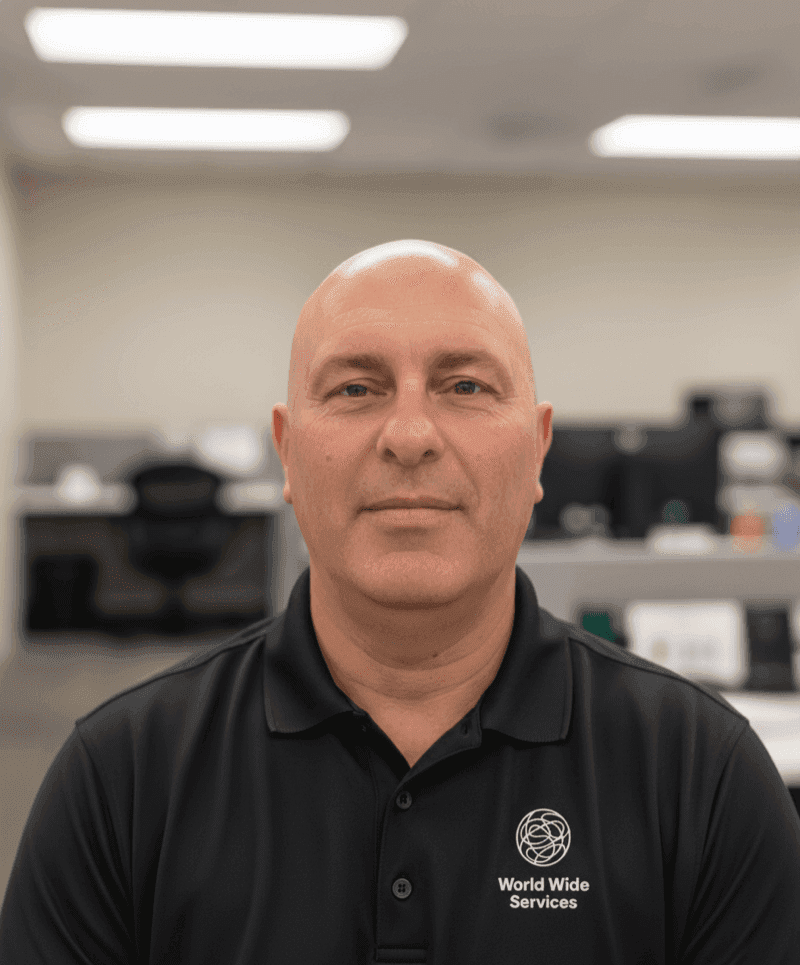
Karim Bukarim
Co-Founder, Head of Product Development
Karim is a co-founder of World Wide Services with deep expertise in international employment and immigration processes. He leads product development to simplify global workforce mobility.