Poland vs Serbia vs Albania: Which Country Is Right for You?
Comparing Poland, Serbia, and Albania for foreign workers — processing times, salaries, cost of living, and quality of life. Find out which destination matches your goals.
February 5, 2026
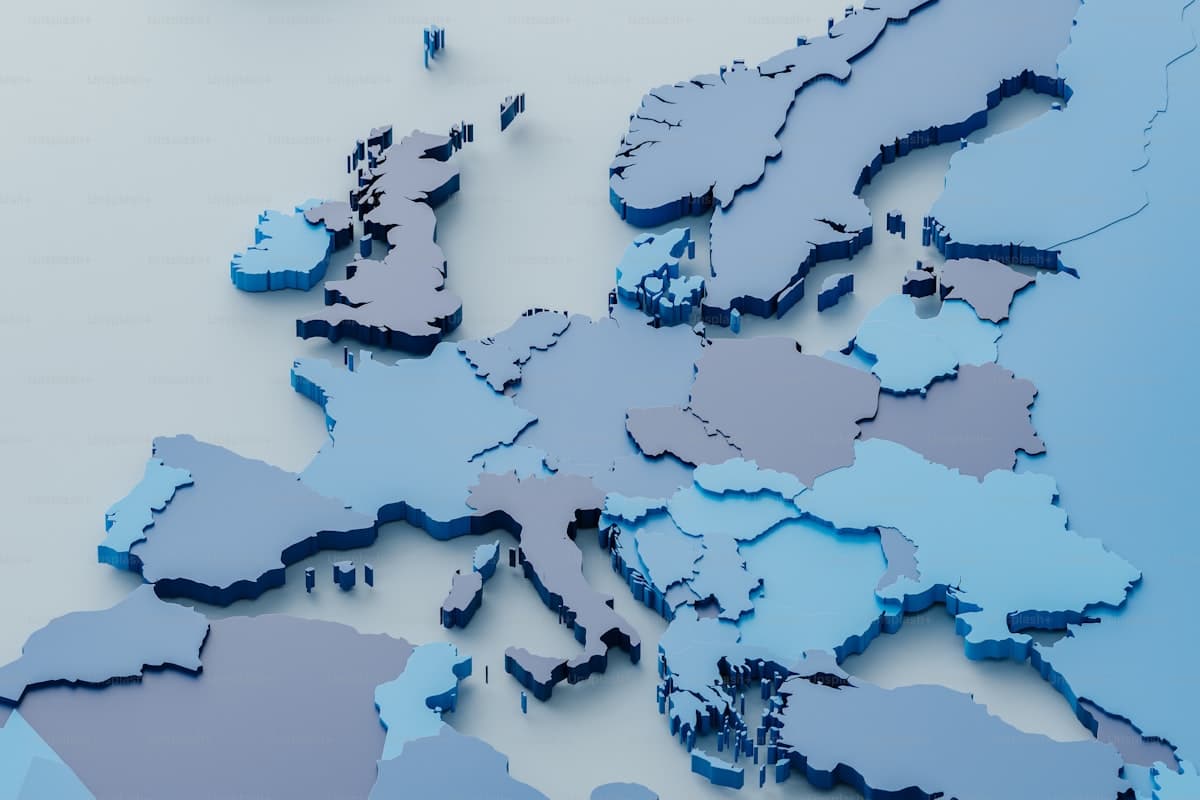
You have decided to work in Europe. That is the first step. But now comes the real question: which country?
Poland, Serbia, and Albania are three of the most accessible European destinations for foreign workers from Africa and Asia. Each one offers legal employment, real earning potential, and a path to building your career in Europe. But they are very different places with different advantages, timelines, and trade-offs.
This guide compares all three countries side by side — salaries, processing times, cost of living, climate, quality of life, and career growth — so you can make an informed decision that matches your personal goals.
The Big Picture: Comparison Table
Let us start with the numbers that matter most:
| Factor | Poland | Serbia | Albania |
|---|---|---|---|
| Processing time | 4-6 months | 3-4 weeks | 6-8 weeks |
| Average net salary | €1,100 – €1,400/month | €700 – €900/month | €600 – €900/month |
| Monthly savings potential | €400 – €800 | €300 – €500 | €250 – €450 |
| EU member | Yes | No (candidate) | No (candidate) |
| Climate | Cold continental | Continental | Mediterranean |
| Average winter temp | -5°C to 2°C | -1°C to 5°C | 5°C to 15°C |
| Permit duration | 1-3 years | Up to 3 years | 1 year (renewable to 3) |
| Main job sectors | Warehouse, production, construction, driving | Manufacturing, construction, hospitality | Hospitality, construction, manufacturing |
| Language | Polish | Serbian | Albanian |
| Accommodation provided | Often (industry jobs) | Often | Often (hospitality) |
| Minimum wage (gross) | ~€1,100 | ~€500 | ~€400 |
Now let us break down what these numbers actually mean for your life and career.
Choose Poland If...
You Want the Highest Salary
Poland offers the highest earning potential of the three countries. A warehouse worker takes home €960-€1,100/month net. A certified welder can earn €1,260-€1,600/month. Drivers with C/D/E licenses earn even more.
With employer-provided housing (common for production, warehouse, and construction jobs), you can realistically save €400-€800 per month — and more with overtime.
You Want EU Benefits
Poland is a full EU member state. This means:
- Schengen area access — with a valid Polish residence permit, you can travel to other Schengen countries for up to 90 days
- EU labor protections — strong worker rights, regulated working hours, mandatory insurance
- European healthcare — access to the Polish public health system
- Future mobility — work experience in an EU country strengthens future applications to other EU states
You Are Thinking Long-Term
Poland offers clearer pathways to long-term residence:
- Work permits renewable for 1-3 years
- After 5 years of legal residence, you can apply for permanent residence
- After 10 years, you can apply for Polish citizenship
- Polish permanent residence = EU permanent residence = right to live and work in any EU country
You Are Willing to Wait
The trade-off is time. Poland's work permit processing takes 4-6 months on average. If you need to start earning quickly, this wait can be painful. But if you can afford the patience, the payoff is significant.
You Can Handle Cold Weather
Let us be honest: Polish winters are cold. Temperatures regularly drop below -10°C in January and February, with snow lasting weeks. If you are coming from Nigeria, Ghana, the Philippines, or Bangladesh, this will be a significant adjustment. It is manageable — millions of people live happily in Poland — but it is something to prepare for.
Ideal for: Workers who prioritize maximum earnings, want EU benefits, are planning for long-term European residence, and can wait 4-6 months to start.
Choose Serbia If...
You Need to Start Fast
Serbia has the fastest processing time of the three: 3-4 weeks for the unified work and residence permit. From your initial application with WWS to arriving in Serbia and starting work, the entire process typically takes 4-6 weeks.
If you are in a situation where you need to start earning money in Europe as quickly as possible, Serbia is the answer.
It Is Your First Time in Europe
Serbia is often the most comfortable entry point for first-time workers in Europe:
- The application process is the simplest of the three
- Cost of living is moderate — higher than Albania, lower than Poland
- The capital Belgrade is a vibrant, international city with a growing foreign worker community
- Many Serbians speak English, especially younger people
- The culture is generally welcoming to foreign workers
You Want the Lowest Processing Cost
Because Serbia's process is fastest and simplest, the overall cost of getting to Serbia (agency fees, document preparation, travel) tends to be the lowest of the three options.
You See It as a Stepping Stone
Many workers use Serbia as their first European experience. After 1-2 years of work history in Serbia, they apply for positions in EU countries (like Poland) with a much stronger profile: European work references, proven reliability, and often some language skills.
Salary Reality:
| Position | Monthly Net (EUR) |
|---|---|
| Manufacturing worker | €700 – €850 |
| Construction worker | €750 – €900 |
| Hospitality staff | €600 – €750 |
| Warehouse/logistics | €700 – €850 |
| Driver | €800 – €1,000 |
| Skilled trades | €900 – €1,200 |
Cost of living in Serbia is moderate. Expect to spend €300-€450/month on living expenses (less if housing is provided). Realistic monthly savings: €300-€500.
Ideal for: First-time workers in Europe, those who need fast processing, budget-conscious applicants, and workers planning to transition to EU countries later.
Choose Albania If...
You Prefer Warm Climate
If weather matters to you (and for many workers coming from tropical countries, it matters a lot), Albania is the clear winner. The Mediterranean climate means:
- Mild winters (rarely below 5°C on the coast)
- Hot, sunny summers (25-35°C)
- Over 300 days of sunshine per year
- Beautiful beaches along the Adriatic and Ionian seas
For someone from Lagos, Dhaka, or Manila, adapting to Albanian weather is far easier than adapting to a Polish winter.
You Want Hospitality Sector Work
Albania's booming tourism industry creates strong demand for hospitality workers. The advantage of hospitality jobs is that employers frequently provide free accommodation and meals — which can save you €300-€500/month compared to paying for your own housing and food.
This means that even though Albanian salaries are lower than Poland's, the difference in actual savings can be smaller than it first appears.
You Want Fast and Affordable Entry
Albania's Unique Permit system processes in 6-8 weeks — not as fast as Serbia but much faster than Poland. Combined with the lowest cost of living of the three countries, Albania offers an affordable and quick path to working in Europe.
You Value Quality of Life
Albania may have the lowest salaries of the three, but many workers report the highest quality of life:
- Warm weather year-round
- Beautiful natural scenery
- Very affordable food and entertainment
- Strong hospitality culture
- Growing international community
- Relatively easy to learn basic Albanian
Ideal for: Workers who prioritize climate and quality of life, those interested in hospitality work, workers who want fast processing with affordable living costs.
The Multi-Country Strategy
Here is something most agencies will not tell you: you do not have to choose just one country.
Many successful foreign workers in Europe use a strategic multi-country approach:
Stage 1: Start in Serbia or Albania (Months 1-12)
- Get to Europe quickly (3-8 weeks processing)
- Start earning immediately
- Build European work experience and references
- Save initial funds
- Learn how European workplaces operate
Stage 2: Transition to Poland or Another EU Country (Year 2+)
- Apply for Polish work permit while working in Serbia/Albania
- Your European work history makes you a stronger candidate
- Polish employers prefer workers with European experience
- Higher salary and EU benefits await
Stage 3: Long-Term EU Residence (Year 5+)
- After 5 years of legal residence in Poland, apply for permanent residence
- EU permanent residence opens doors across 27 EU countries
- Potential for family reunification
- Path to citizenship after 10 years
This strategy means you do not waste months waiting at home for a Polish work permit. Instead, you start earning in Serbia or Albania while your Polish application processes in parallel.
World Wide Services operates in all three countries, making this multi-country strategy seamless. We can manage your transition from one country to another with a single point of contact.
Real Scenarios: Which Country Fits Your Profile?
Scenario 1: Chidi, 28, from Nigeria
Situation: First time working abroad. Has general labor experience. Needs to start sending money home as soon as possible. Best fit: Serbia — fastest processing (3-4 weeks). Can start earning €700-€850/month quickly. After 1 year, transition to Poland for higher salary.
Scenario 2: Maria, 35, from Philippines
Situation: Has hotel management experience. Prefers warm weather. Wants a comfortable work-life balance. Best fit: Albania — hospitality sector matches her experience. Mediterranean climate. Free accommodation from hotel employer means high savings ratio despite lower salary.
Scenario 3: Ravi, 32, from India
Situation: Certified welder. Can wait for processing. Wants maximum earnings and long-term European career. Best fit: Poland — welders earn €1,260-€1,600/month net. EU membership provides long-term career growth. The 4-6 month wait is worth it for the significant salary premium.
Scenario 4: Amina, 26, from Ghana
Situation: Wants to work in Europe but is nervous about the move. Limited savings for upfront costs. Best fit: Serbia — lowest upfront costs, simplest process, most comfortable for first-timers. Can build confidence and savings before considering a move to an EU country.
Scenario 5: Khalil, 40, from Bangladesh
Situation: Experienced driver with C and E licenses. Supports a family of five. Every euro counts. Best fit: Poland — drivers earn €1,145-€1,720/month net. With employer housing, monthly savings of €700-€1,000 are realistic. This is the best option for maximizing money sent home.
Making Your Decision: A Simple Framework
Ask yourself these five questions:
-
How quickly do I need to start?
- Within 1-2 months → Serbia
- Within 2-3 months → Albania
- Can wait 4-6 months → Poland
-
What matters more: salary or speed?
- Maximum salary → Poland
- Balance of speed and earnings → Serbia or Albania
-
How important is climate?
- Need warm weather → Albania
- Can handle cold → Poland or Serbia
-
Is EU membership important to me?
- Yes → Poland (or start elsewhere and transition)
- Not right now → Serbia or Albania
-
What is my 5-year plan?
- Long-term EU residence → Start in Poland or plan multi-country route
- Earn and return home → Choose based on salary vs. speed priority
Frequently Asked Questions
Can I apply to multiple countries at the same time?
Yes. You can submit applications for two or three countries simultaneously and go with whichever processes first. This is a smart strategy that World Wide Services can coordinate for you.
Which country has the best food for African/Asian workers?
All three countries have growing international food scenes, especially in capital cities. Serbia and Albania have halal food options more readily available. Poland has a growing number of Asian and African grocery stores, especially in cities like Warsaw, Wroclaw, and Poznan.
Which country is easiest to learn the language?
All three languages are challenging for English speakers. However, Serbian uses both Cyrillic and Latin alphabets (and most signs are in Latin), which makes reading easier. Albanian has a phonetic spelling system. Polish has complex grammar but is consistent in pronunciation once learned.
Can I transfer my work experience between countries?
Yes. European work experience is valued regardless of which country it is in. A reference letter from a Serbian or Albanian employer is recognized by Polish employers.
What if I change my mind after arriving?
You can transition between countries, but you need a new work permit for each country. The process is faster when you already have European work experience. WWS can facilitate country transitions for existing clients.
Is it better to go alone or with friends/family?
For the initial move, going alone is simpler and cheaper. Once you are settled with stable income and housing, you can explore family reunification options. Many workers also recommend going with a friend or colleague for mutual support.
Let World Wide Services Guide Your Decision
With offices in Szczecin (Poland), Abuja (Nigeria), and Tirana (Albania), World Wide Services has on-the-ground expertise in all three destination countries. We have placed over 3,720 workers across Europe with a 97% visa approval rate.
We do not push one country over another — we help you find the destination that matches your goals, skills, and circumstances.
Your next steps:
- Visit worldwideservice.eu and browse positions in all three countries
- Book a free consultation to discuss which country fits your profile
- Contact us in Szczecin, Abuja, or Tirana — whichever is closest to you
- Apply online and receive personalized guidance within 48 hours
The right country for you depends on your priorities. Let us help you find it.
About the Author
Karim Bukarim
Co-Founder, Head of Product Development
Karim is a co-founder of World Wide Services with deep expertise in international employment and immigration processes. He leads product development to simplify global workforce mobility.